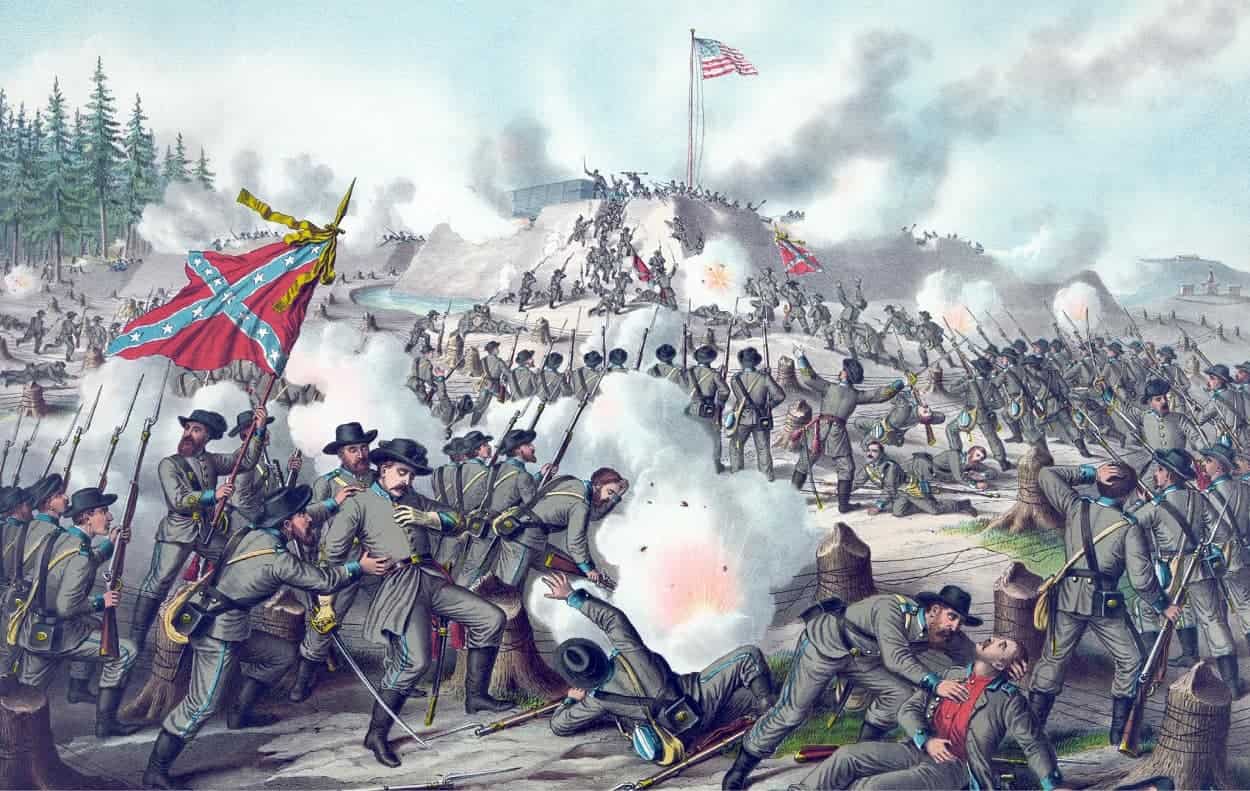
2. Hundreds of Thousands of Civil War Veterans Became Addicted to Morphine
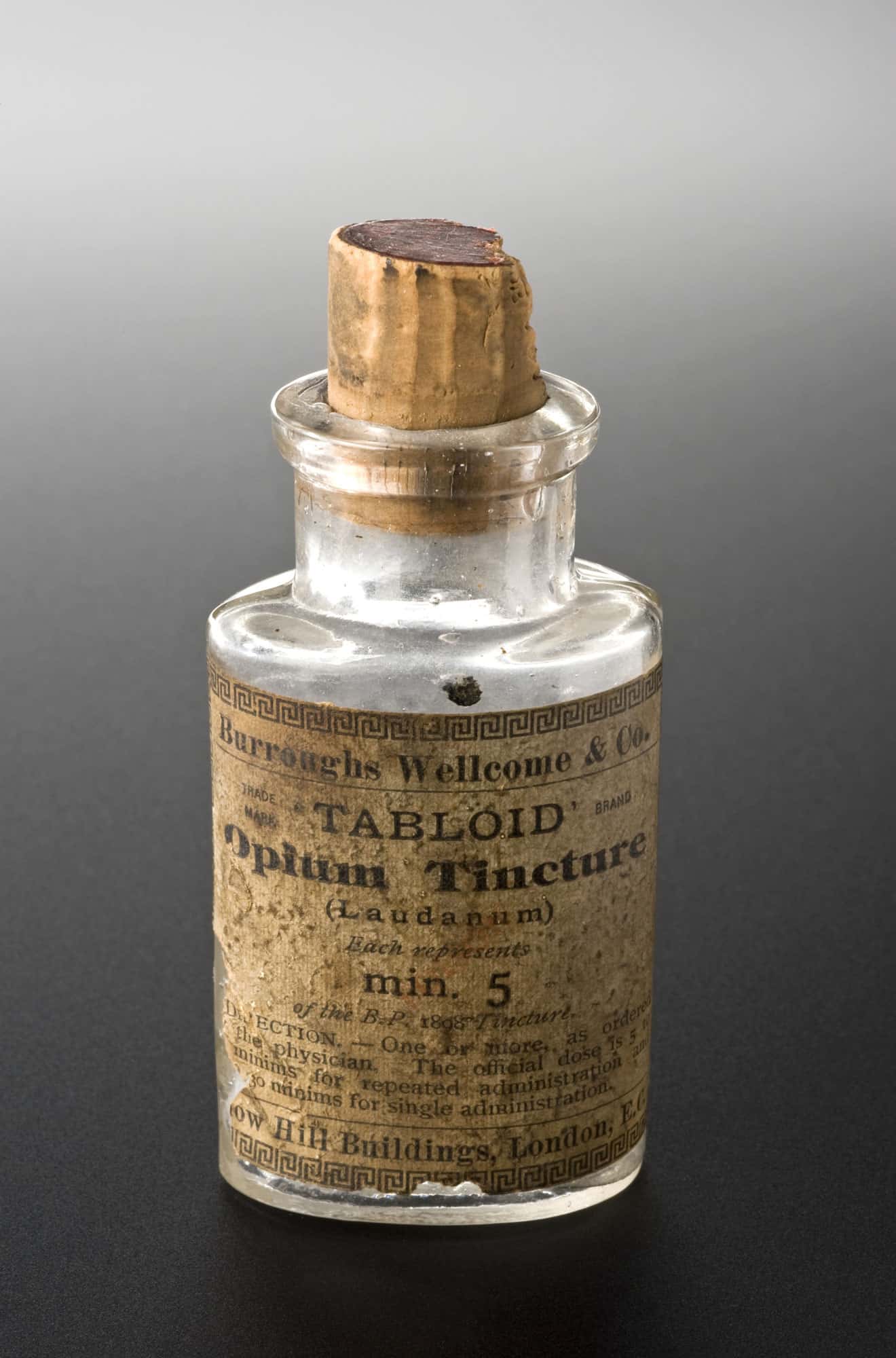
Civil War soldiers – the ones in blue, at least – were often dosed with massive amounts of morphine or opium to deaden the pain of amputations, other surgeries, and various ailments. Many wartime accounts highlight the liberality in dispensing drugs. For example, one Union doctor diagnosed wounded soldiers from horseback, and if any needed morphine, he would pour a dose on his hand, and have the soldier lick it. On the Confederate side, one Rebel doctor was known for giving patients plugs of opium, depending on whether or not they were constipated.
The potential for addiction was known, but the risk was deemed acceptable: it was considered a lesser evil that could be dealt with later. “Later” came when the soldiers were discharged from the hospitals. It is estimated that over 400,000 Civil War became morphine addicts because of their wartime experiences. If that figure is prorated to America’s 2021 population, it would be the equivalent of an American war whose aftermath left about 4,200,000 veterans with a drug addiction. The term “Soldiers Disease” was coined to describe that addiction. Many addicts were readily identifiable by a small bag dangling from a leather thong around their neck, containing morphine tablets and a hypodermic needle.


