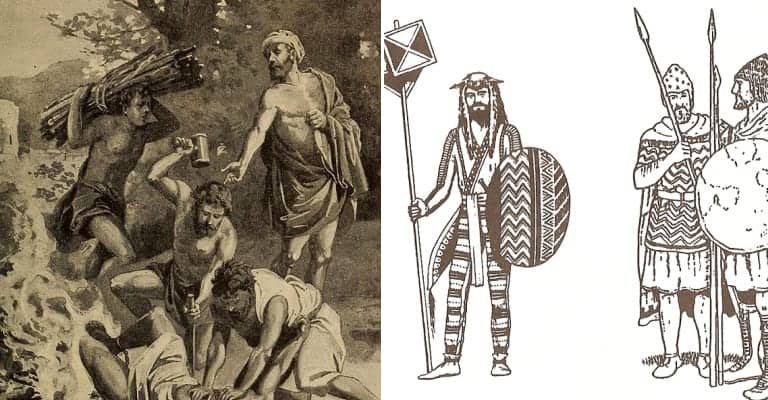

16. Was Persian cruelty as bad as believed by many?
Much of what was repeated as being historical fact about ancient Persia over the centuries since the demise of the empire came from sources which in the later twentieth century became more and more discounted by scholars. This is particularly true of the tales of some of the tortures described here and elsewhere. They were first described in the west in Greek, by the writer Herodotus, and by a writer named Ctesias, who is often repeated in Herodotus. Ctesias published the history of Persia in 23 volumes, which was entitled Persica. The gruesome punishments inflicted by the Persians are first described in detail within the volumes.
Persica was written for Greek eyes and is a comparison of what Ctesias considered a despotic and barbaric system to the orderliness and progress of the Greek city-states, Athens in particular. Many of his accounts did not match other records, such as the cuneiform records of the Assyrians. A Syrian satirist named Lucian referred to Ctesias’ work as “mendacious history” in his famous satire of sensationalist writers who create false records A True Story. A more modern writer in 1984 referred to Ctesias’ inaccuracy and called the equally questionable work of Herodotus a “model of reliability” in comparison. There is no question that barbarous cruelty was part of ancient life, but some tales could well be exaggerated, and many modern scholars believe that they were.


