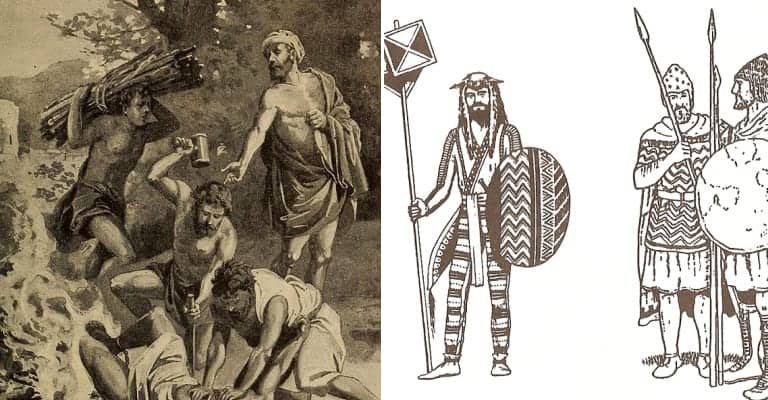

9. Rebellious subjects were often gradually executed by the populace
Under Darius and other rulers of the Persian Empire rebellious subjects were first marked so that they could be clearly identified and then placed in a position where they would endure public humiliation and pain as they gradually died. They were marked by slicing off their nose, or ears, or both. Some were also blinded. They were then led through the streets of the city in which they resided and chained to the gates which marked the entrance of the residence of the magistrate or other government official which held sway over the city. Some serious offenders were sent to the king, where they endured the same fate. Chained to the gates they were tormented, literally to death.
Subjects loyal to the king were expected to express that loyalty by adding to the torments suffered by the chained prisoners, physically and emotionally. Often this meant giving the prisoners food and water since nourishment would lengthen their period of suffering for their crimes. Then the same member of the public who offered water would add to the suffering with kicks, or slicing the skin, or beating them with fists or sticks. The torment was allowed to continue until the victims finally gave up and died, there was seldom a pardon offered to those chained to the gates, and how long they suffered was up to them. Some of those seen to be near death were released, nursed back to health, and then the process would begin all over again.


