
9. Montgomery Bus Boycott
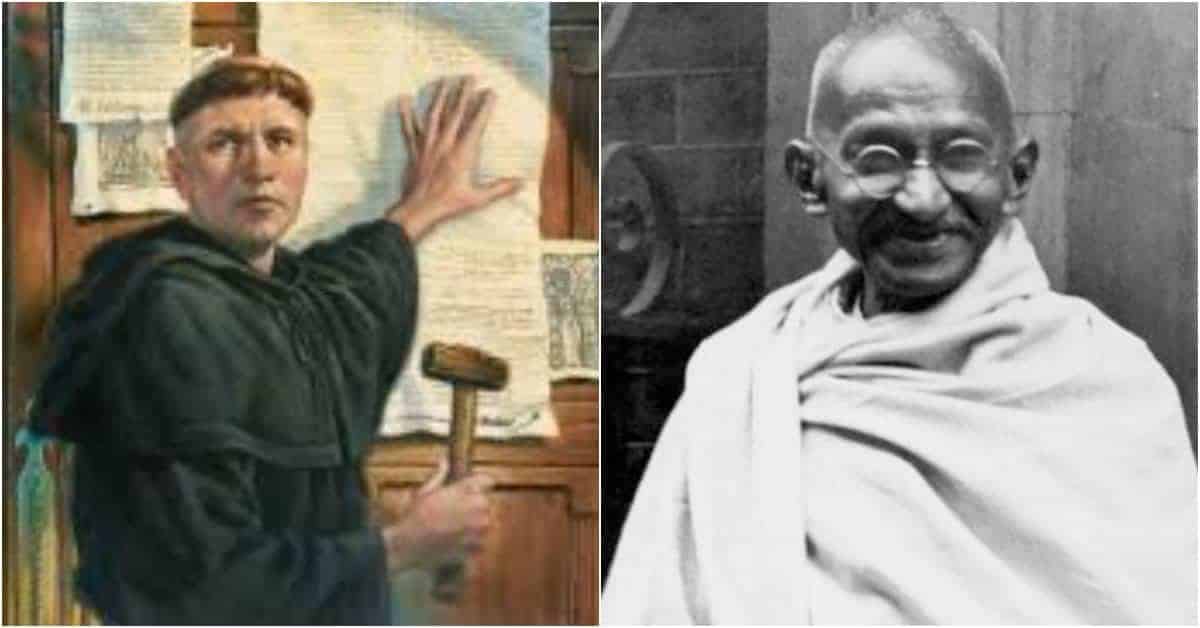
Gandhi had paved the way in the use of civil disobedience as a protest tactic, and his example did not go unnoticed. The power of non-violence and symbolic rule-breaking would be used to great effect in the struggle for civil rights in the United States as well, beginning with the simple actions of one woman on a bus in Alabama.
Rosa Parks is one of the most revered people in America, and her actions on December 1 1955, would change the USA, and the world, forever. Ms. Parks was far from a novice in the arena of civil rights protest: she had been a member of the National Association for the Advancement of Colored People (NAACP) for several years and had even studied nonviolent civil disobedience. When she was told to get up off her seat and move to the back of the bus on that December day in Montgomery, it was not a new experience – in fact, she had been kicked off a bus by the same bus driver some twelve years before – but it would be the last one that she was willing to take.
At the time, segregation in the South was at its height. In Montgomery, Alabama, there were no black bus drivers, black people were often forced to give up their seats to white people and were required to sit at the back. When Rosa Parks refused to move, she was arrested, found guilty and fined $14. In response, the black community, who made up 75% of passengers, decided to boycott the buses. They arranged to carpool and to offer rides to those who needed to work, taxi drivers charged the price of the bus, people walked and some even rode mules: soon, the bus system was suffering major financial distress.
The whites of Montgomery began to attack black churches and the campaign leaders, Martin Luther King Jr and Ralph Abernathy, had their houses firebombed. 90 people, including King, were arrested for “conspiring to interfere with a business” and instead of evading capture, proudly handed themselves in. Dr King was jailed and gained national press attention.
After just over a year, the boycott was successful after the Supreme Court declared bus segregation was illegal. While black passengers could now sit almost everywhere on the bus, that faced a backlash of violence from the white community: snipers fired at buses, black churches were destroyed and a man, Willie Edwards was lynched. Yet, Montgomery had set the tone for the nation.
The Civil Rights movement, led by Dr. King, would grow from strength to strength. Civil Rights Acts were passed in 1957, 1960, 1964, 1965 and 1968 after constant pressure from below that forced the authorities to act.


