
17. Walter Cronkite became the most trusted man in America in the 1960s
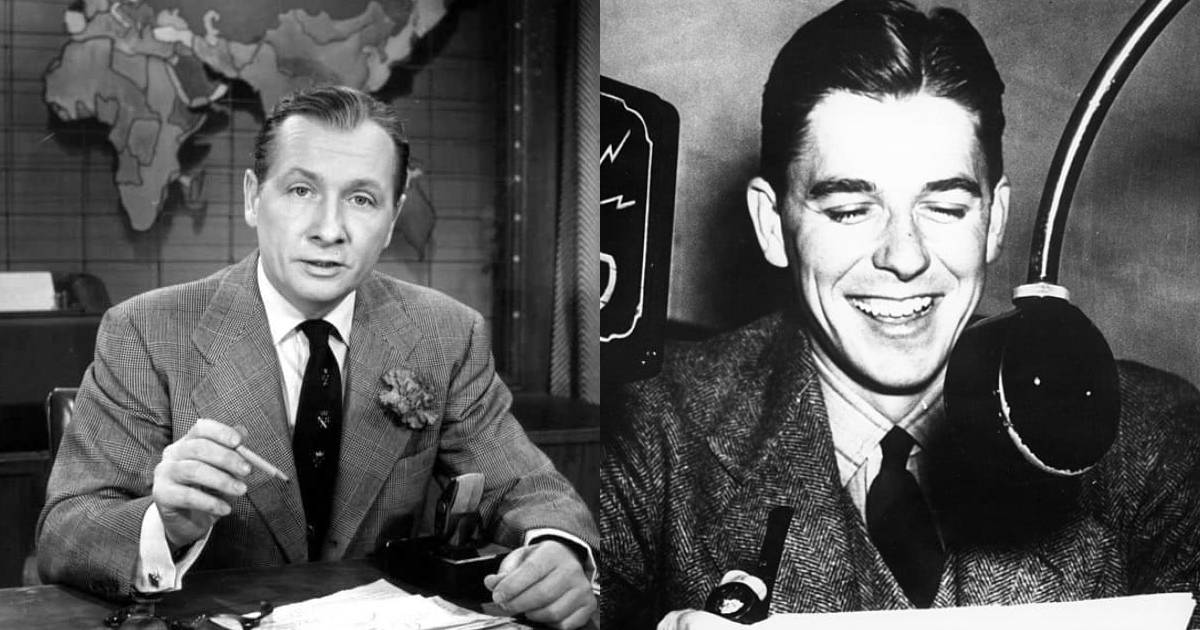
Walter Cronkite presented his first edition of what became the CBS Evening News, a fifteen-minute broadcast, on April 16, 1962. Acknowledging the short broadcast could not possibly provide a detailed report of events, he closed it by telling his audience, “That’s the news. Be sure to check your local newspapers tomorrow to get all of the details on the headlines we’re delivering to you”. His admonition to Americans to become better informed did not sit well with his superiors at CBS, who wasn’t pleased with his sending the audience to view what they considered a competitor. But it indicated the complete dedication to the news, rather than the newsreader, which permeated the earliest television news broadcasts. Throughout the decade of the 1960s Cronkite, and his contemporaries took American viewers on a wild ride through events.
They included the Kennedy assassination, the Civil Rights Movement, and the steadily expanding War in Vietnam. The Space Race, the anti-war movement, Martin Luther King’s murder, followed by Bobby Kennedy’s, and the attempted murder of George Wallace all played out on television, presented by Cronkite’s calming but factual voice. Cronkite went to Vietnam, interviewed generals and privates, soldiers and marines, and came to the conclusion the war was unwinnable. When he came home he said so, leading President Johnson to lament that having lost Cronkite he had lost middle America. There were no cries that Cronkite was biased, nor that what he presented was false. By the end of the 1960s, he was often called the most trusted man in America. Americans lost faith in their government but trusted the messengers who told of its transgressions.


