
6. You Fought For God, As Did Your Enemies
When Christopher Columbus sailed the ocean blue back in 1492, he claimed to be doing so for gold, God, and glory. The idea of fighting on behalf of God was nothing new, in any case. All through the Middle Ages, people had used religion as a justification for war. The Battle of Tours, fought in 732 in France, was against invading Muslim armies from Spain and Morocco. Charles Martel, the leader of the European forces, saw his victory in battle as a victory for Christendom over the Muslims. Charlemagne, the Frankish king of the eighth century, followed in Martel’s footsteps by claiming to fight for not only his power but also for Christianity.
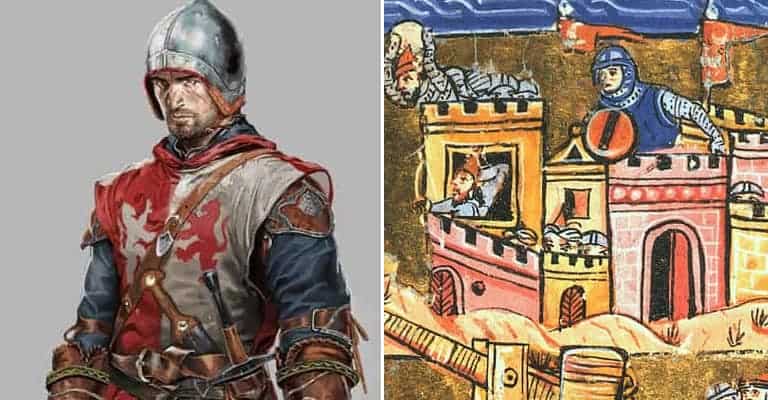
And of course, there were the crusades. When Pope Urban called for the Crusades in 1095, he declared them to be a holy war against the Muslims who were living in the Holy Lands. The response was that God willed the people to fight in His cause. The victories that the Christian armies gained during the First Crusade were viewed as victories for God and Christendom. The ensuing losses that led to the loss of Jerusalem and Christian control of the Holy Lands were not only a political but also a religious defeat with huge theological implications.


