
13. Underestimating the enemy was a common mistake made by both sides
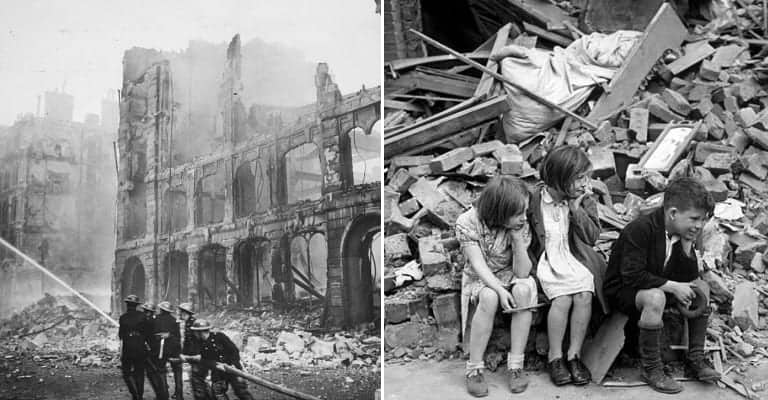
When the Germans bombed Coventry in November 1940, using pathfinders armed with incendiary bombs to light the way, they achieved for the first time a concentrated bombardment on the target area. The result was devastating to the city, with at least twenty factories heavily damaged. Public utilities were knocked out, meaning another dozen factories were temporarily idled, as well as smaller supporting businesses such as machine shops, glassmakers, tool and dye makers, and so forth. Had the Germans launched follow-up raids on the area they could have severely crippled the British ability to produce aircraft for the conflict, an industrial effort at which they were already outpacing the Germans. The Germans were impressed with their own success and didn’t believe the British would be able to recover for some time, and went on to other targets.
In fact, British aircraft production did take a significant dip in the aftermath of the Coventry raid, but part of that reduction was attributable to the U-boat and surface raider successes in the Atlantic cutting into the arrival of raw materials in British ports. The British took steps to decentralize the production of war machinery, spreading it out to other locations besides those where it had been traditionally located. They also used the Coventry raid as the impetus for their own shift to night bombing raids of Germany, deciding to adopt the concept of area bombing rather than precision bombing of military or industrial targets. Coventry was the target of other raids later in the war, but the massive raid of November 1940 was the worst of them. Coventry Cathedral was destroyed in the raid, and its remaining ruins were stabilized and left as they were after the war.


