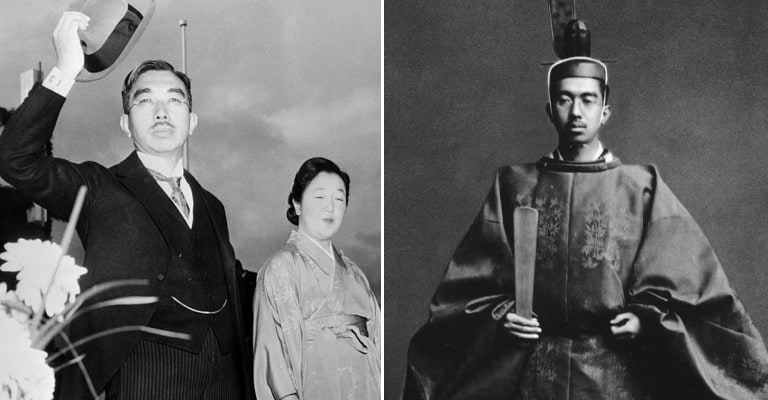
9. There was no civilian control of the military in Showa Japan

The Japanese military practiced the art of imitation when it modernized as well, forming the Imperial Japanese Army General Staff in the late 19th century, using the model of the Prussian General Staff as its guide. The Japanese General Staff organized itself as an entity wholly independent from the Japanese Ministry of War, and by the 1930s was in effect ranked above the latter, reporting directly to the emperor. Envious of the authority of their compatriots in the army, the Japanese Navy followed suit, creating their own General Staff, bypassing the War Ministry, and thus avoiding any civilian control over their operations.
Japanese law required that the cabinet posts for both the army and navy be occupied by officers from the respective services. It also dictated that a prime minister must resign if any cabinet post remained unfilled. This in effect gave both the army and the navy the ability to force the resignation of any prime minister, bringing down the existing government, simply by refusing to allow an officer of their branch to serve in the cabinet. Cooperation between the army and the navy was frequently problematic, but the military during the Showa period gained complete control of the government, which allowed them to dictate Japanese policy and law.


