20. The Japanese government put its racial policies in writing in 1943

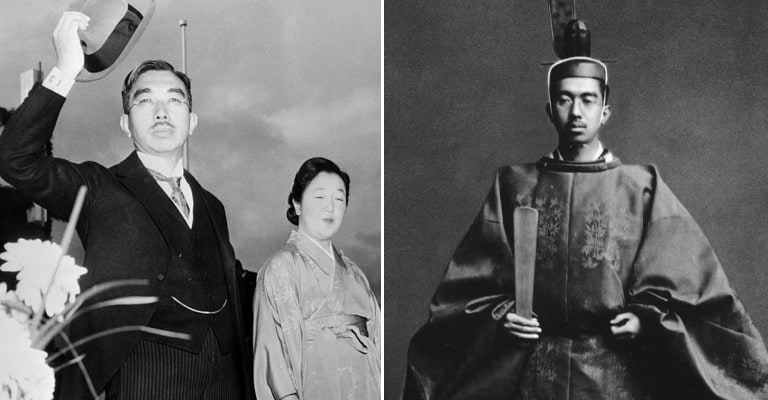
After the invasion of China, the Japanese government began a study which resulted in a document being published, though highly classified, in 1943. The study was intended to fully address Japanese racial policies, as more Japanese people settled in the conquered territories. The issues of assimilation with the local population were areas of concern for the Japanese, whose leadership wanted to maintain their formally adopted policy of Japanese racial supremacy. The resulting document consisted of six volumes with over 3,500 pages. It provided justification for the Japanese seizure of lands, including Asian and those held by the west, as “securing the living space of the Yamato race”.
Much of the document mirrored the concepts of the Nazis, including calls for improving all races through eugenic experimentation. The document used the metaphor of the family for the races of the earth, described the Japanese as the head of the family, duty bound to the rest of the family to lead it and provide its protection. It explained the Japanese duty to rule first all of Asia, and then all of the world, as head of the global family of all races, with each race assigned to its “proper place” in the hierarchy. It was also claimed that the Japanese people, being superior to all others, had the duty of improving all other races through selective breeding and the elimination of undesirables.


