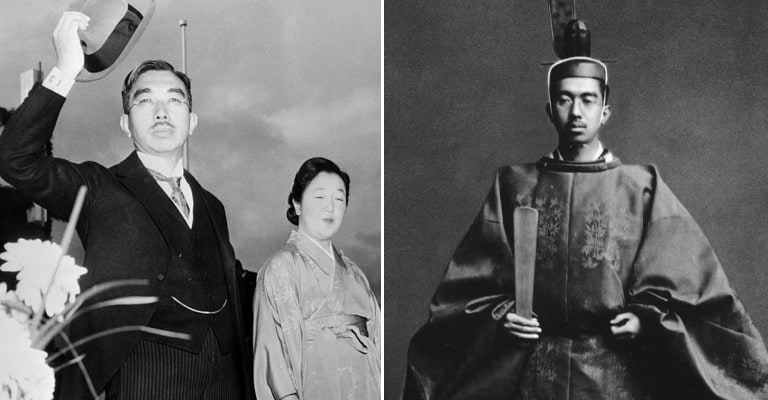
24. Japanese society was fully militarized by the beginning of 1941

When the 1940s dawned Showa Japan was a fully militarized state, in the home islands and in the occupied territories of the empire. Industry was geared fully to support the Army and Navy. The products of the occupied territories were used not to benefit the local populations but to be sent to Japan to support the military. Wages were frozen for most workers. In 1940, Japan imposed rationing on most foods, including less than 2 ounces of meat per day for adults. Similar amounts were allotted for fish. Farmers began to reduce the amount of food they sent to markets, keeping it for themselves and their families, and the kenpeitai began examining the output from farms.
The low levels allotted at the start of the 1940s were reduced throughout the war which followed, and black markets were the inevitable result. Food production continued to drop from 1940 through 1945, and the movement of food throughout the empire grew more difficult as the war went on. Both the amount of available food and what was allotted daily were reduced throughout the war, until by 1945 a child’s ration in the Japanese Empire was reduced to less than fifteen ounces of total food per day. Nonetheless, the Japanese people were told that they must sacrifice out of loyalty to the Emperor, and those caught participating in black market activities, or hoarding food, were dealt with harshly.


