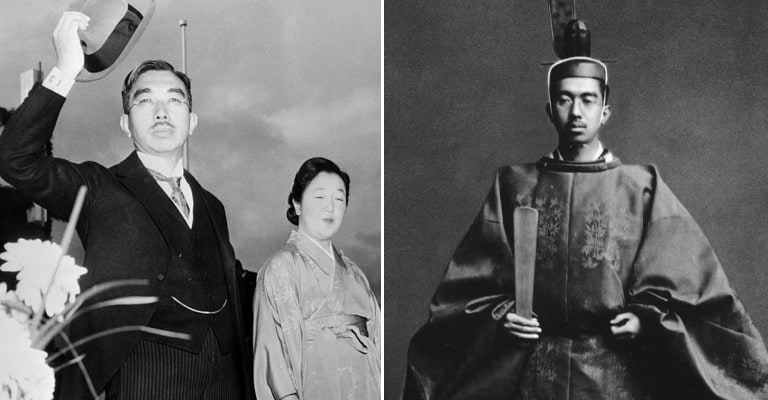
23. The war in China drew to a stalemate by the end of the 1930s

The war in China, which by the direction of the Emperor in Japan was referred to as an “incident’ or an “affair” rather than acknowledging it was a war, was a three-way battle. Chinese Nationalists fought Chinese Communists, and both fought the Japanese. The Japanese Army seized most of the major cities but from remote areas, the war raged on. Propaganda in Japan told the people that Japan was winning the war, but casualties continued to rise, well before the war with the western allies began. From the outset of the war in China, negotiations with the Germans for an alliance between Showa Japan and Nazi Germany were underway, kept secret from the Japanese people.
By the time of the alliance with Italy and Germany, creating the Axis of World War II, the Japanese Army had expanded in China to 27 divisions out of its total strength of 38 divisions. As discussions began with the Emperor over attacking the United States and Great Britain, he expressed concern over the ongoing war with China and the Army’s failure to bring it to a successful conclusion. As planning for war with the United States and its allies began in earnest, the Imperial Japanese Navy and its fleet air arm rose in the esteem of the Emperor, and the Army correspondingly lost prestige, though senior Army officers continued to hold many of the most important positions within the government.


