6. All prisoners were considered to be enemies of the Reich

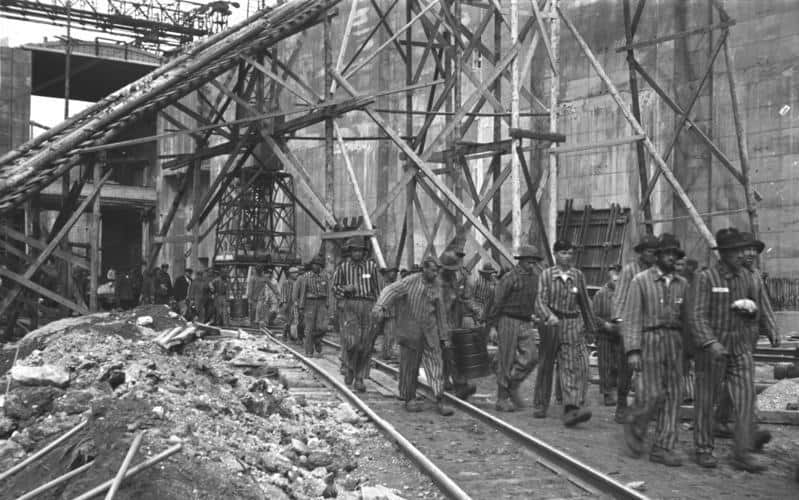
Regardless of the race, ethnicity, or political positions of prisoners at the camps, the SS considered them to be enemies and subject to harsh punishment. In the earliest days of the camps, before the war, some prisoners sent for reasons of political orientation were subject to rehabilitation and release, and in fact, many were released. This included Jews before the Final Solution mandated the extermination of all Jews in Europe. Few improvements took place in any of the camps after the onset of the war, and little maintenance meant that barracks barely adequate at the beginning deteriorated quickly with use. So did the rest of the facilities.
Blankets wore thin, became ragged, and offered little in the way of warmth or comfort. Despite physical exhaustion, sleep was often difficult, if possible at all. As the barracks broke down walls admitted drafts, roofs leaked, and floors, beds, and blankets became constantly damp. The combination of harsh physical labor, insufficient sleep, and lack of nutrition, as well as lack of calories, led to disease and death. There was little in the form of medical treatment in the camps, and in most labor camps those too weakened by starvation or disease to work were deported to other camps for killing, if not killed where they were.


