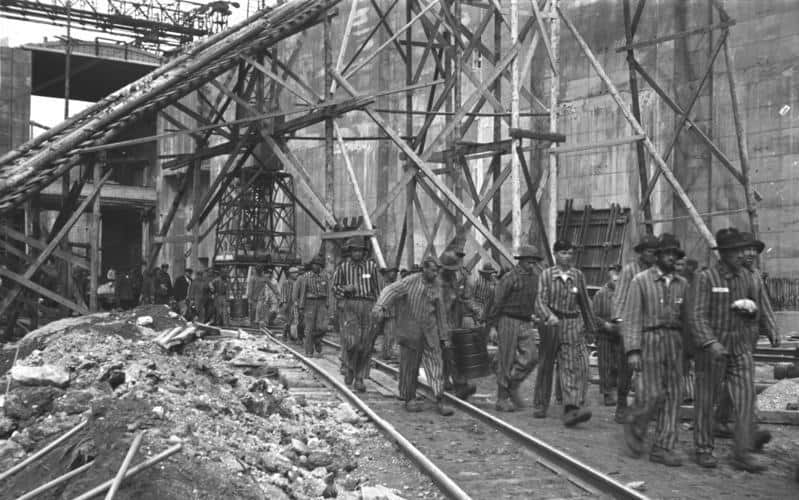
18. It was possible (though unlikely) to obtain a release from most of the camps

Before the war began, and under certain conditions, after it had been raging for years, it was possible for some prisoners to obtain a release from the concentration camps. Even Auschwitz released prisoners under certain conditions. For most of the prisoners, daily life did not include the hope of early freedom, or even of rescue by the Allied armies. For others, the possibilities helped them contend with conditions. Release criteria for all camps were established before Dachau was opened, and changed considerably throughout the war. Some prisoners, nearly all political prisoners or those imprisoned for rehabilitation, could meet established criteria through the camp.
Other requests for the SS to review the status of prisoners and consider them for release came from the puppet governments of the occupied territories. By late 1942 nearly all releases came to a stop due to increased pressure by their German masters on the occupied territories. But not all. In 1944 nearly 200 prisoners were released from the labor camps at Auschwitz-Birkenau. They were nearly all convicted criminals who had managed to survive several years at the camps. They were released in order to enlist in the Dirlewanger Brigade of the Waffen SS, a unit comprised of violent criminals recruited to fight against the underground.


