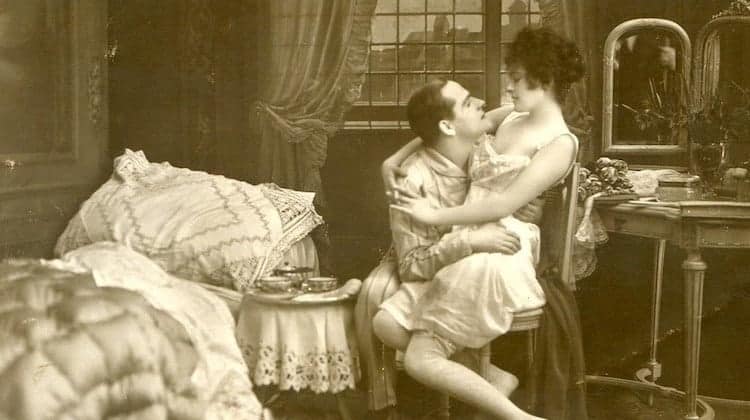
11. The Victorians overturned 600-year-old laws on consent, proof that they were ready to have open, sometimes difficult, debates on intimacy

In 1848 alone, some 2,700 girls aged between 11 and 16 were hospitalized for venereal diseases. The vast majority of these had been working as working girls in the city. And, moreover, this was almost certainly only the tip of the iceberg. Many thousands more teenage girls – and, probably, girls younger than 11 – simply went untreated. Far from ignoring this, Victorian lawmakers, as well as Church officials and philanthropists took an enlightened approach to these matters and introduced the Age of Consent.
In Britain, adults had been legally allowed to engage in intimate relations with a child over the age of 12 ever since 1285. It was only the Victorians, some 600 years later, who saw that this was leaving children open to abuse. At first, the age of consent was increased only slightly to 13 in 1875. However, just a decade later, it was increased to 16 – and it remains 16 to this day in the UK. Even if many impoverished children still felt they had little option but to sell themselves, the law meant that men buying services from underage sex workers could be, and indeed were, prosecuted. Contrary to the stereotypes of the Victorians being prudish and ignoring matters of intimate relationships, this was one area where politicians openly debated an issue and won the public’s support.


