
18. The Taliban favored targeted assassinations during the insurgency
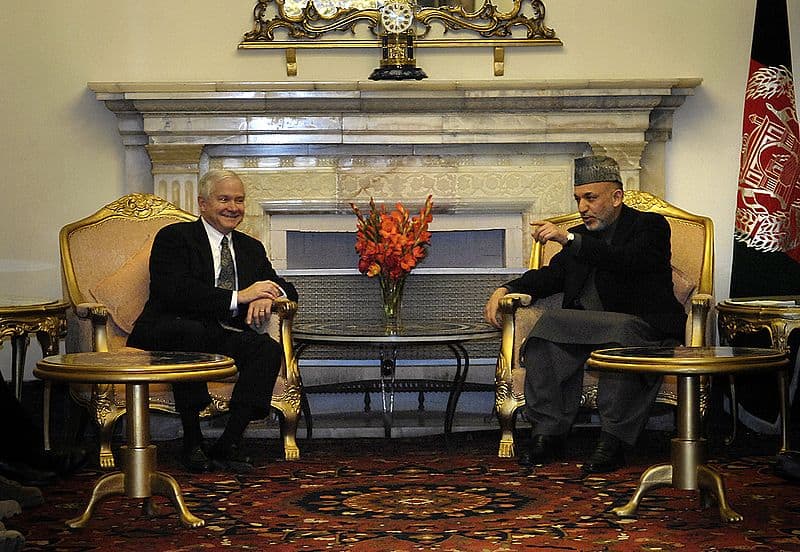
Targeted assassinations of government officials, clerics opposing the Taliban, and international security forces personnel grew in number as the insurgency dragged on. In December 2001, Hamid Karzai emerged as the leader of the transitional government in Afghanistan. In 2004 he was elected as President of the Islamic Republic of Afghanistan. His administration soon proved to be rife with corruption, and protests against it grew to include groups not affiliated with the Taliban. The latter attempted at least four times to assassinate him during his presidency. The first occurred during the transitional government, in Kandahar in 2002. In 2004, another attempt included the launching of a missile targeting the helicopter in which Karzai was being transported. It missed. Missiles were featured in another attempt on Karzai’s life in 2007.
In June of that year, Taliban terrorists fired at least a dozen rockets into a gathering of elders in the city of Ghazni as the president addressed them. Karzai again escaped unhurt. The fourth attempt consisted of an assault by terrorists armed with automatic weapons and rocket-propelled grenades against a military parade. The attack took place in Kabul as the president attended the event. The event was attended by numerous government officials, senior military officers, diplomats and officials from several foreign governments, as well as Karzai. At least three people were killed, including a member of the Afghan parliament, several more suffered injuries. Karzai was unscathed. The Taliban, through a spokesman, claimed responsibility for the attack, noting it proved they could strike anywhere, at any time, against whomever they chose.


