13. The stones are musical

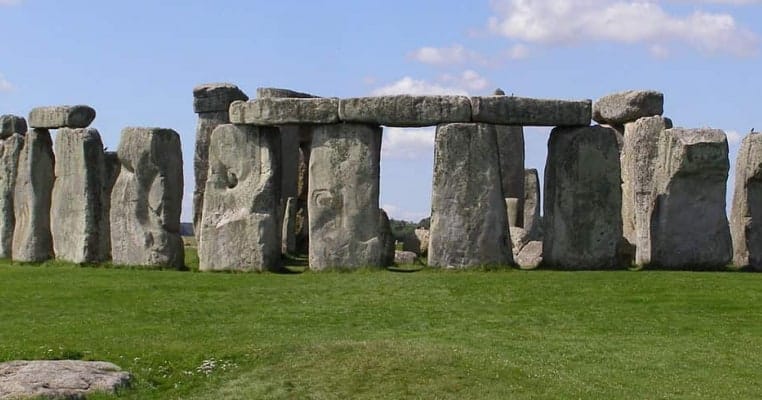
The musical heritage of Stonehenge predates Spinal Tap (above) by a very long way. We’ve already discussed the possible reasons for the Bluestones being quarried and transported 140 miles, but in 2014 another theory was proposed by London’s College of Art. Studying thousands of Bluestones along the Carn Meryn ridge, researchers found that a high proportion made a ringing sound ‘like a bell’ when struck. ‘There’s lots of different tones, you could play a tune’, said researcher Paul Devereux. ‘In fact, we have had percussionists who have played proper percussion pieces off the rocks’.
According to veteran Stonehenge archaeologist Professor Tim Darvill, the musical qualities of the Bluestones may actually shed some light on why they were carried such a long way. ‘Ringing rocks are a prominent part of many cultures’, he noted. ‘You can almost see [Stonehenge] as a pre-historic glockenspiel, if you like’. And it’s a tantalising theory. Music, after all, is an inimical part of human nature. Perhaps the Bluestones were imported to be a musical accompaniment to ceremonies and religious rituals taking place at Stonehenge. It’s certainly as good a theory as any to solve this millennia-long mystery.


