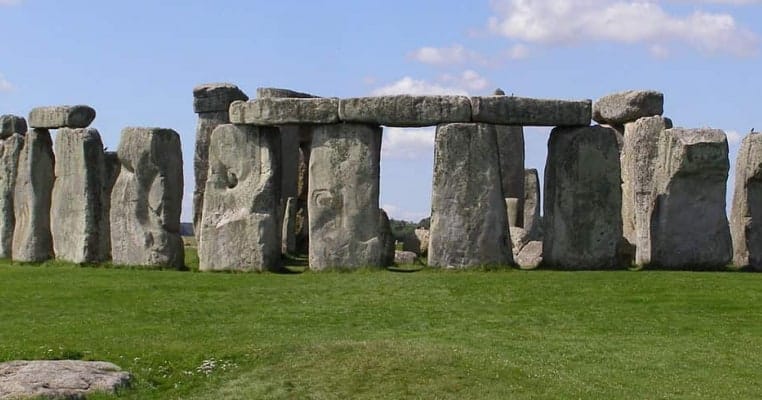
10. Stonehenge is included in Thomas Hardy’s classic novel, Tess of the D’Urbervilles

Thomas Hardy (1840-1928) was born in Dorset, a county bordering Wiltshire, and much of his literature celebrates the natural and human history of the South West of England. He took a keen interest in local archaeology, and chose Stonehenge as the setting for the tragic climax of Tess of the D’Urbervilles (1891). It is there that Tess and her estranged husband Angel Clare spent their last night together, after Tess has killed her abusive lover, Alec Stoke-D’Urberville. On the run from the authorities, the couple desperately try to live in the moment before Tess is inevitably arrested and executed.
Hardy gives Stonehenge an unusual gothic character. Tess and Angel stumble upon it by accident on a misty night, leading Angel to ask, ‘what monstrous place is this?’ Symbolically, Tess is tired of running from justice, and lays herself down on one of the fallen stones. Hardy describes Stonehenge as a place of human sacrifice, and the implicit idea is that Tess has accepted her fate, like so many others did before her there. The lovers’ final night together is heartbreaking, and ends at dawn with Tess’s tragically inevitable arrest. ‘I am ready’, she says when the police arrive.


