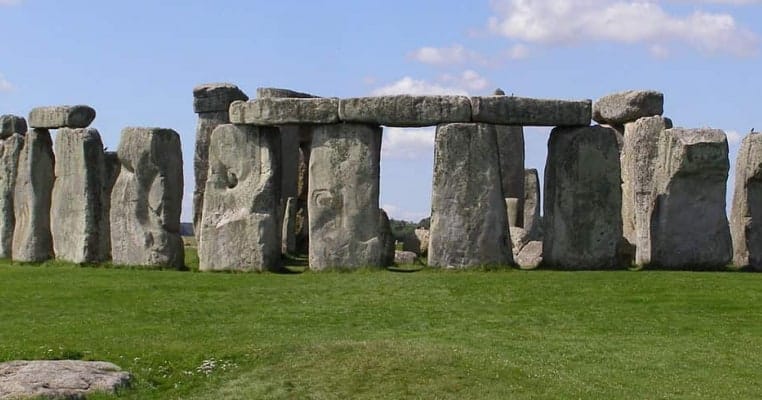
16. Neopagans still celebrate the Summer Solstice at Stonehenge every year

In the twentieth century, people began exploring the ancient, pre-Christian beliefs of the British Isles. References to these religions are understandably rare, given that the Christians wrote history, but the scant written evidence and archaeological remains speculatively suggested that they were based around the worship of Mother Nature. People looking for a mystical and eco-friendly belief system that was closer to nature seized upon these findings, and thus Neopaganism was born. Stonehenge was immediately seized upon as a sacred site for this new religion, and in 1905 The Ancient Order of Druids performed a mass-initiation ceremony there.
We’ll discuss the hypothesis that Stonehenge was a Druid temple in more detail below, but for now it’s worth mentioning that this theory is no longer taken seriously by historians. This hasn’t discouraged Neopagans, however, and each year they assemble to watch the sun rise on the longest day of the year, the Summer Solstice, at Stonehenge. In what therefore amounts to elaborate cosplay, Neopagans stay up all night to watch the sun goddess rise, an event associated with fertility and the health of the harvest. They are joined at the Solstice by other people enjoying an all-night rave.


