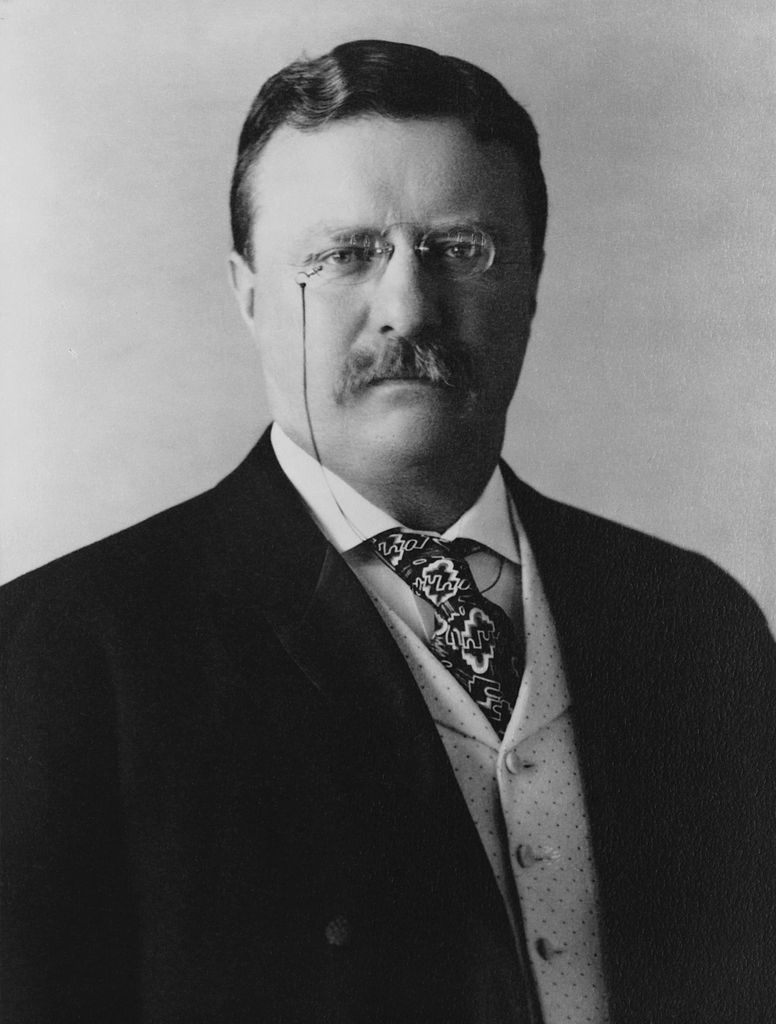
14. Theodore Roosevelt and the criminal charges against the press
In the early 1900s Panama, then part of Colombia, was selected as the site for the cross isthmus canal to be completed by the Americans after the French had failed there. The United States offered Colombia a treaty which the Colombian government rejected, leading to a rebellion in Panama which the United States supported. The successful rebellion led to an independent Panama and the new government agreed to a treaty to create the Canal Zone and build the canal in 1903. Almost immediately charges of corruption emerged in the press and Roosevelt was forced to address the issue in his message to Congress in 1906, in which he denied the charges.
In 1909 Roosevelt took the unprecedented step of bringing criminal charges against two of the newspapers which continued to print stories of allegations of corruption regarding the canal and relations with Panama. The papers, the New York World and the Indianapolis News denied the libel charges leveled against them and the cases were dismissed by District Courts. Roosevelt pressed the issue and the case eventually reached the United States Supreme Court, which upheld the earlier decisions to dismiss the charges. Roosevelt’s actions against the press were criticized as an abuse of power at the time and by historians later though there was disagreement whether there was actual corruption in the building of the canal.


