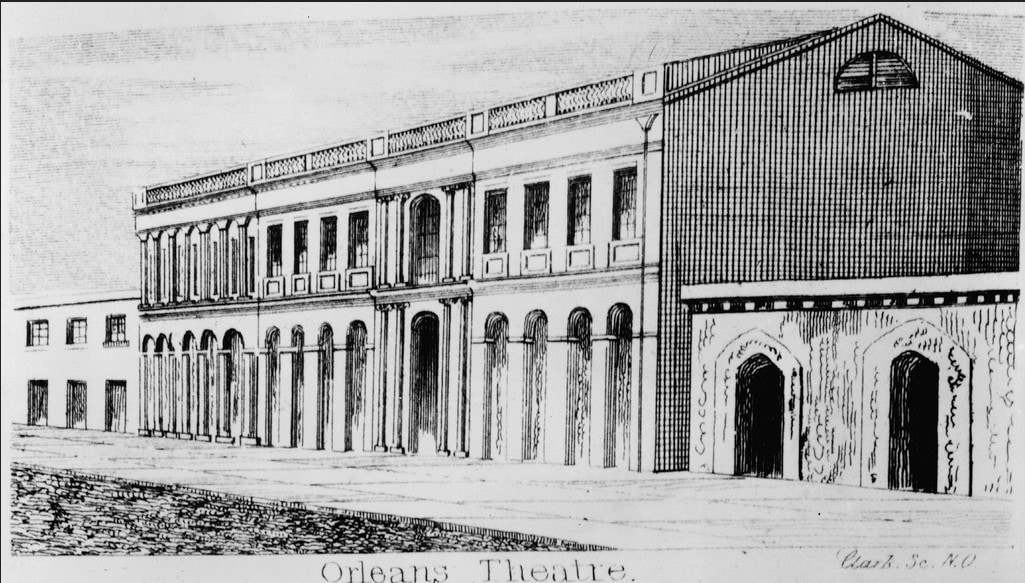
The French Quarter Suffers the Civil War and Reconstruction

In the mid-1800s, New Orleans was one of the major trading hubs in the nation. But in the 1860s, Civil War raged in the United States, and New Orleans, with its history steeped in slavery, supported the Confederate cause. But the city’s location as the gateway between the Mississippi River and international trade routes meant it was a vital port, coveted by both southern and northern forces.
The Union army captured New Orleans in 1862 and closed the ports to the Confederacy, strangling the South. After the Confederacy fell, the city rebuilt itself, becoming a railroad hub and rebuilding its port. It enhanced its infrastructure and grew again. The specter of its slavery-based past reared its ugly head in the racial tensions, segregation, and the implementation of the ironically-named “Separate but Equal” policies from the 1896 Plessy v. Ferguson Supreme Court decision.


