
2. The Ancient Greeks Based Their Calendars on the Olympic Games
Ancient Greek stadion sprinters awaited the start of the race, muscles coiled and ready to take off down the track. Behind and to their sides hovered Olympic Games officials to ensure that nobody left the start line too early. Before them lay a packed earth track, at the end of which awaited another set of games officials, whose task was to decide the winner – and spot and disqualify any cheaters. If it was too close and the officials determined that it was a tie, there would be a do-over, and the race would be rerun. Finally, the signal to start came – a sharp trumpet blow. The competitors exploded into action, took off, and within a few frantic seconds, the race was over.
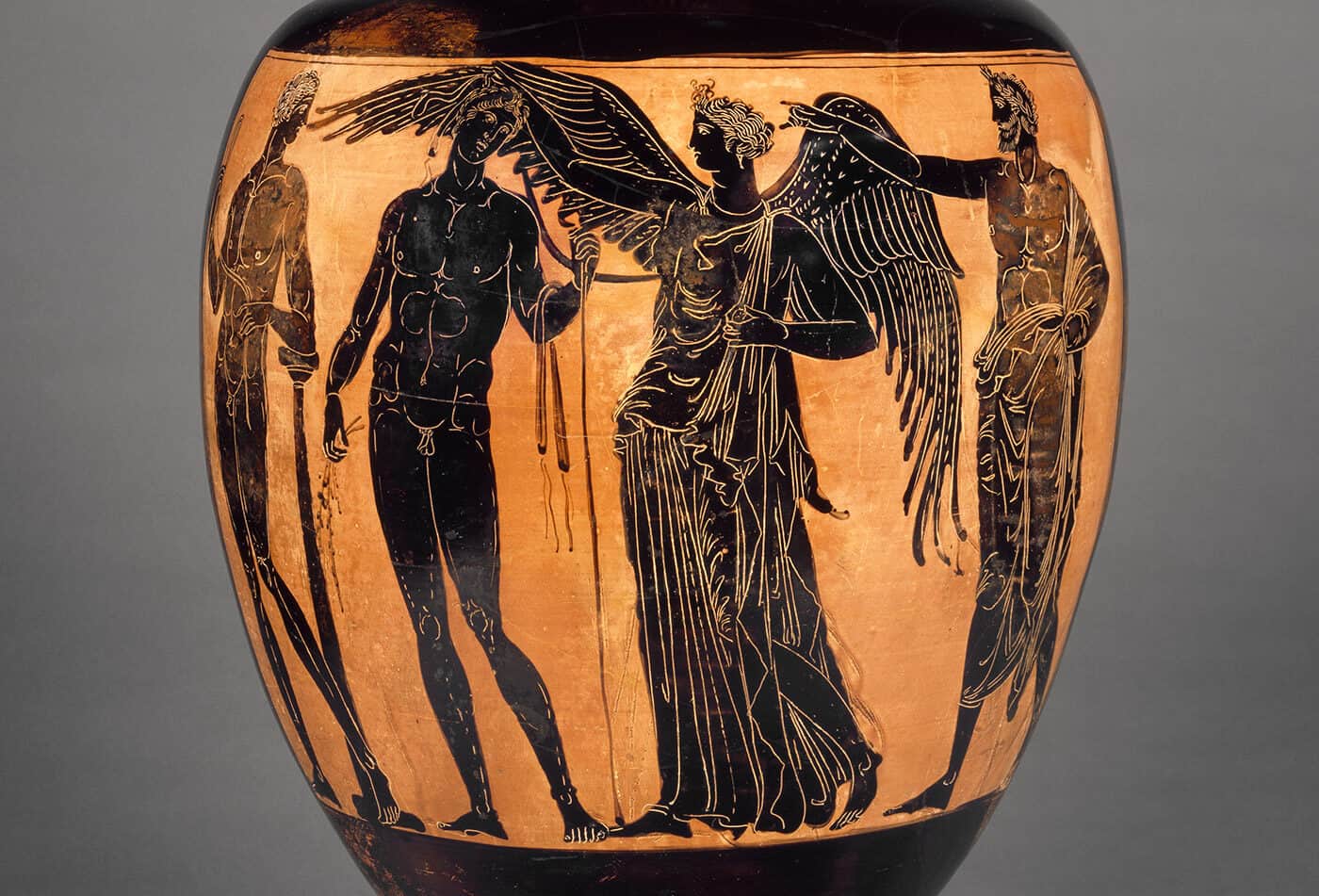
Because the stadion was the original Olympics’ sole competition, those few seconds encapsulated the entirety of the athletic portion of the original Olympic Games. However, it is hard to grasp today just how important those few seconds were to the participants. The ancient Greeks often dated events not by a numbered calendar like we do today, but by four-year Olympiads, and the Olympiads were named after the winner. So the winner of the original stadion race literally won a place in the history books.


