17. Some people were tortured by having their flesh torn off with red-hot pincers
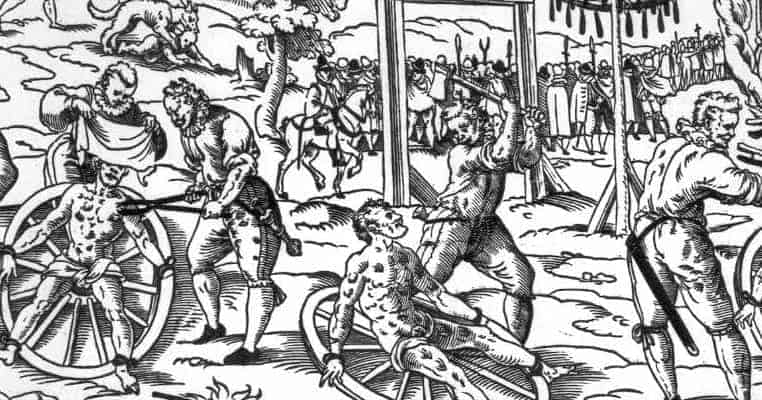
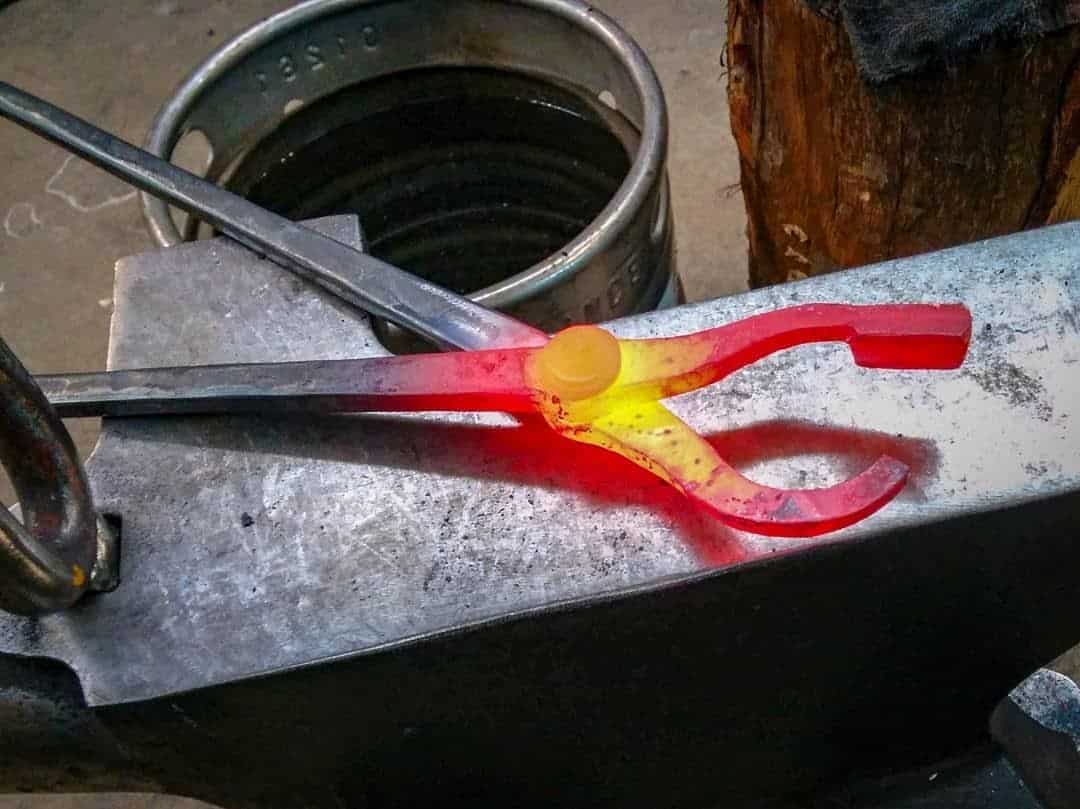
Like the wheel, the invention of pincers gave the human race an important technological advancement. They ensured that red-hot metals could be handled, and thus iron could be manipulated to make items such as swords, buckles and, eventually, cannon. Their ability to withstand incredible heat, however, meant that they provided a cruel and extremely painful method of torture. With brutal simplicity, torturers could heat the pincers up to high temperatures until they glowed red, before pinching bits of a victim’s flesh and tearing them off. Standard blacksmiths’ pincers were modified for this task by being sharpened or spiked.
Red-Hot Pincers also offered the most painful way of castrating a criminal. Although most commonly used to extract confessions or information, the injuries resulting from the flesh being torn could lead to deadly infection or severed arteries. Sometimes the wounds would be filled with boiling liquids to increase the torment. Often pincer-torture was incorporated into an elaborate execution. Michel Foucault memorably discusses the execution of Robert-François Damiens, whose failed assassination of Louis XV saw his flesh torn off in certain places with red-hot pincers, the wounds filled with molten lead and sulfur, and his body finally torn apart by horses.


