Back to the front page
Crime

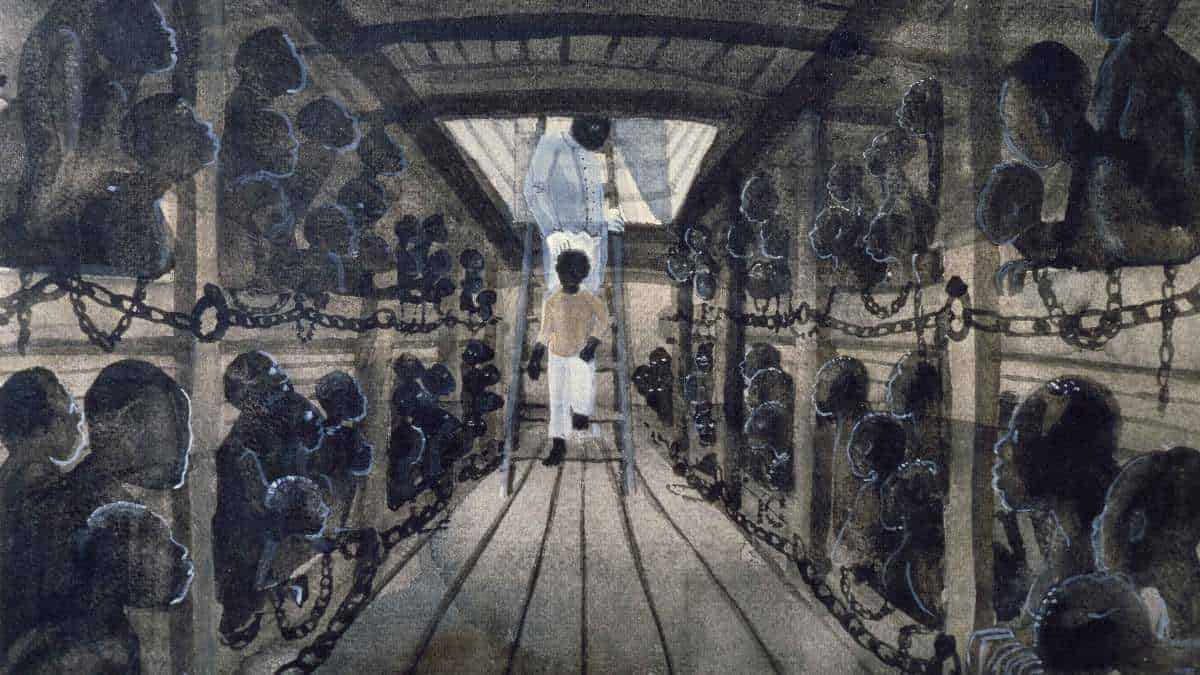
Throwing Slaves Overboard to Drown and Other Dark Moments From History

Plateau - Slave ship
Slave ship hold. History Channel

22. Scorched Earth Tactics Trigger Famine

The Japanese invasion of Burma. WW2 Maps

The British Empire had long justified itself by claiming to govern for the benefit of its colonized subjects. Its conduct during the Bengal Famine of 1943 gave the lie to such pretenses. In the years leading up to the famine, many Bengalis had barely eked out subsistence from their lands, supplemented by imported rice, mainly from Burma. When the Japanese conquered Burma in 1942, Bengal was cut off from those imports, and the precarious existence of millions of Bengalis was tipped over into famine.

It was made worse by the British colonial authorities’ decision in 1942 to adopt a preemptive scorched earth policy in parts of Bengal that they feared the Japanese would overrun after conquering Burma. That entailed a “Denial of Rice” policy, which came down to the British removing or destroying rice and other foodstuffs in Bengali districts that had a surplus.

Written by

A lifelong history buff, I developed a particular passion for WW2 history as a child, when I spent hours listening to my grandfather, enraptured, as he recounted his wartime experiences in the British East African Campaign and with the British 8th Army in North Africa.

I graduated with a history BA from George Mason University, then went on to get a JD from the University of Virginia School of Law. After lawyering for a decade, I moved to sunny Rio de Janeiro and a less demanding career, opening a tourism agency in Copacabana.

A big chunk of my free time is spent blogging (you can follow me on Quora https://www.quora.com/profile/Khalid-Elhassan ) or freelance writing, mostly about my favorite subject, history.

Keep reading

Advertisement