Back to the front page
People

This is What Life was Like in Communist East Germany

Berlin Wall - Checkpoint Charlie
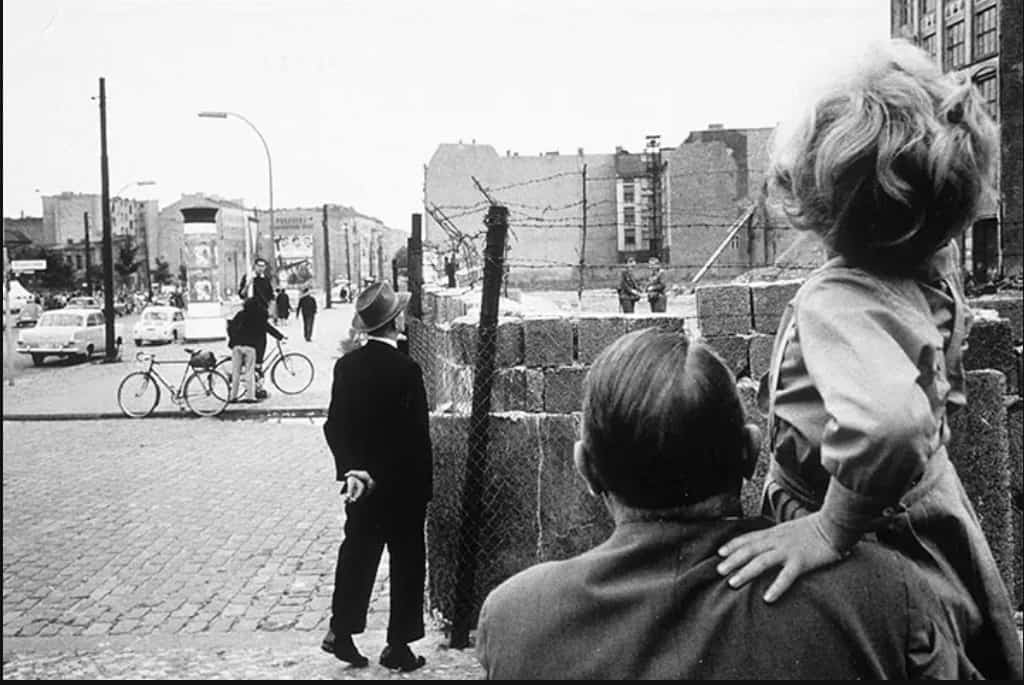
A man peers over the newly-built Berlin Wall in August 1961. The Guardian

10. Universities focused on specific subjects

Humboldt University, pictured here in 1950, had its curriculum restricted by the GDR. Wikimedia Commons

After compulsory schooling, some students applied to technical colleges or universities. Officials judged applicants not only on their scholarly achievements but political attitudes – no doubt with the Stasi’s assistance. At both technical colleges and universities, the education offered to an applicant also depended on scholarship and politics. You could apply for one degree or training programme, and be offered a ‘more suitable’ one. Universities focused overwhelmingly on subjects useful to the State. Law, medicine, and engineering were amongst the most popular. The Stasi also had many informants at universities and kept a close eye on research projects and teaching.

Written by

I am a freelance historical and literary writer based in West Yorkshire, UK. I read for a funded PhD in English at the University of Oxford (Magdalen College) and graduated in 2016. I am a former lecturer in Medieval English Literature at Royal Holloway, University of London. My publications include peer-reviewed articles in academic publications, and pieces in mainstream magazines such as History Today and Fortean Times. For more information, please see www.drflight.co.uk

Keep reading

Advertisement