Back to the front page
People

This is What Life was Like in Communist East Germany

Berlin Wall - Checkpoint Charlie
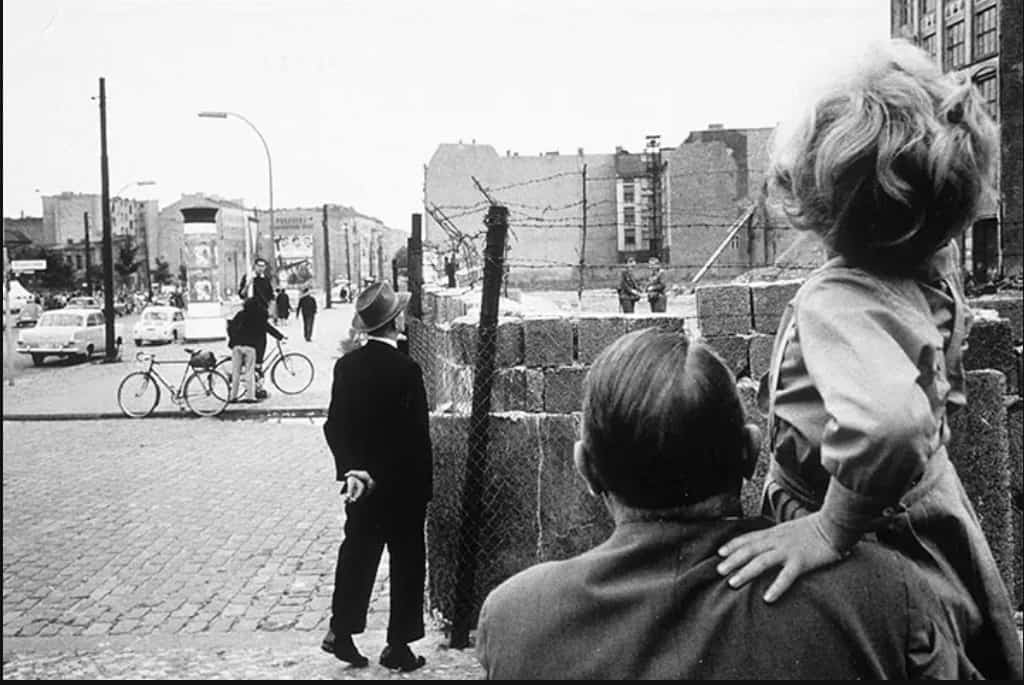
A man peers over the newly-built Berlin Wall in August 1961. The Guardian
Advertisement

32. State atheism meant Jugendweihe ceremonies replaced Confirmation

A Jugendweihe celebration in Sonneberg, 1958. Wikimedia Commons

For many years, German Christians celebrated Confirmation, a ceremony marking a significant development in a youngster’s relationship with God. Since the 19th century, non-religious families had celebrated a secular version marking a child’s coming of age at 14. When Eastern Germany became the GDR, these Jugendweihe (‘youth consecration’) ceremonies became an important political tool. The SED expected all GDR children to undertake a new, communist version. A year of lectures preceded the GDR Jugendweihe, and the ceremony involved a chest-thumping pledge of allegiance to the State. Each child also received a book of propaganda as a gift from the government.

Written by

I am a freelance historical and literary writer based in West Yorkshire, UK. I read for a funded PhD in English at the University of Oxford (Magdalen College) and graduated in 2016. I am a former lecturer in Medieval English Literature at Royal Holloway, University of London. My publications include peer-reviewed articles in academic publications, and pieces in mainstream magazines such as History Today and Fortean Times. For more information, please see www.drflight.co.uk

Advertisement

Keep reading