After being allies in World War II, the Soviet Union and the West soon resumed mutual hostilities. As part of the post-war agreement, the Soviets kept many former Nazi territories they’d won during the conflict. These agreements divided Europe between communist nations, part of the so-called Eastern Bloc, and capitalist countries. Winston Churchill called this division the ‘Iron Curtain‘, and things were very different on either side. Nowhere else was this clearer than Germany, which was divided between the Soviet Union and Allies through its capital, Berlin. Join us as we take a peep behind the Iron Curtain before 1989.
40. The Berlin Wall went up on 13th August, separating families who happened to be in different parts of the city
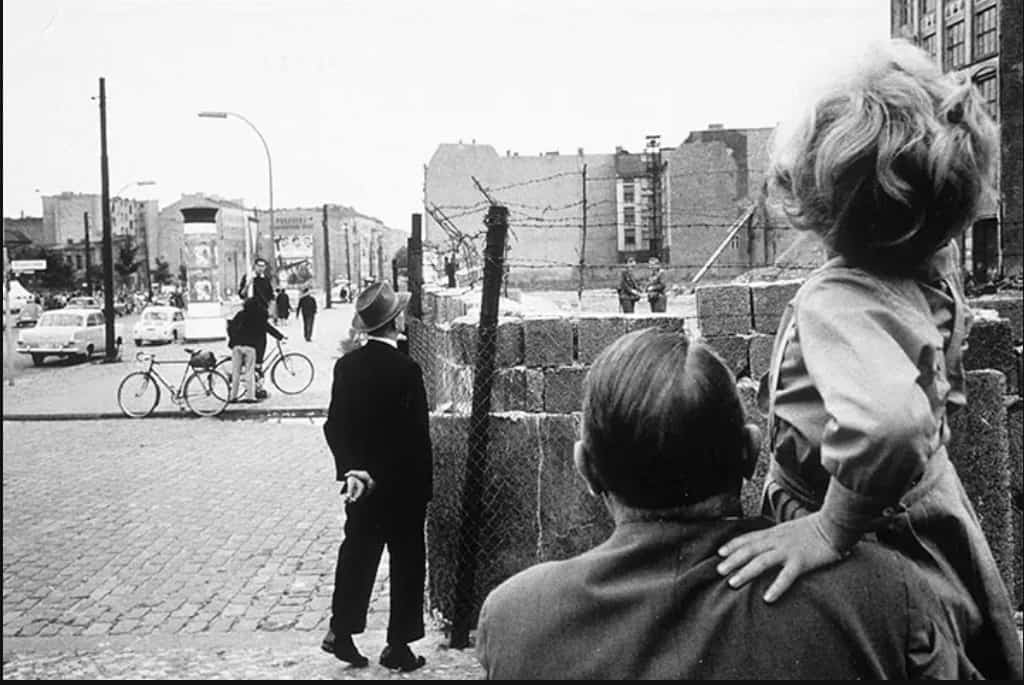
The Soviet Union tried to stop people from leaving the Eastern Bloc to live in non-communist places. From 1952, the Soviets tried to close the inner border between capitalist (West) Germany and communist (East) Germany. But there remained an emigration loophole in Berlin itself until August 1961. Many of the East’s most talented citizens left for the West. At midnight on August 13th, the Soviets closed this border crossing with barbed wire and troops. Over the coming days, they erected a concrete wall. People who happened to be on the wrong side at the time were permanently separated from their families.


