14. The approach to Howland Island was one of confusion

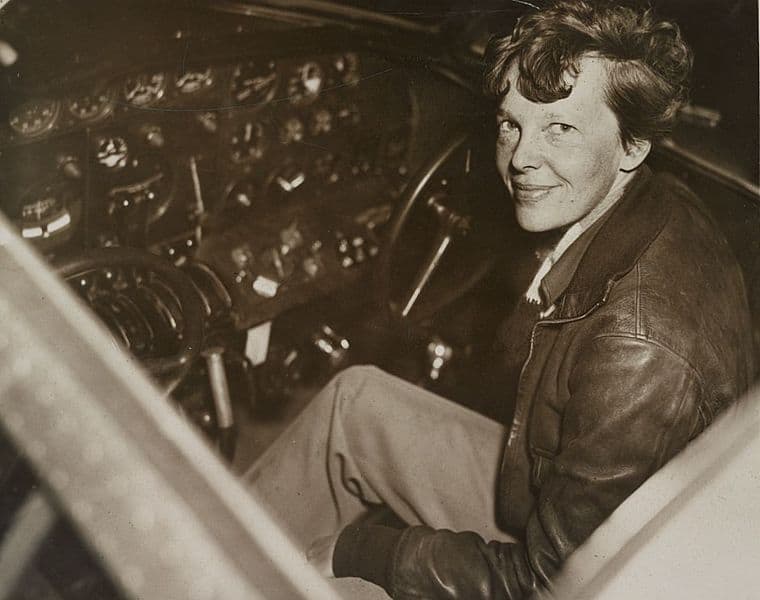
There are indications that though Itasca could hear Earhart’s voice communications clearly, she did not hear their replies. Shifting to various frequencies failed to establish solid communications. Itasca attempted to supplement voice communications with code, which neither Earhart nor Noonan could use efficiently. The partially overcast sky impeded visual contact. Itasca attempted to make smoke, an effort blocked by the limited visibility. Earhart’s last transmission received by Itasca indicated the aircraft was flying along a line which according to the chart they had aboard should have intersected Howland Island. Later determination found the island incorrectly charted by more than five miles.
Earhart and Noonan likely flew past Howland Island, ran out of fuel, and ditched at sea. Within an hour of her final transmission, Itasca acted on the possibility and began a search to the northwest of the island. Within three days the US Navy joined the search using aircraft, smaller surface ships, and the battleship USS Colorado. The aircraft carrier USS Lexington also joined the search. The search continued until July 19 and grew into the largest and most expensive operation of its kind conducted by US forces to that date. Nothing was found of Earhart, Noonan, or the aircraft. Two Japanese vessels assisted in the search, an oceanographic research vessel and a seaplane tender. These too searched in vain.


