Back to the front page
American History

The Craziest Cures & Health Fads from History

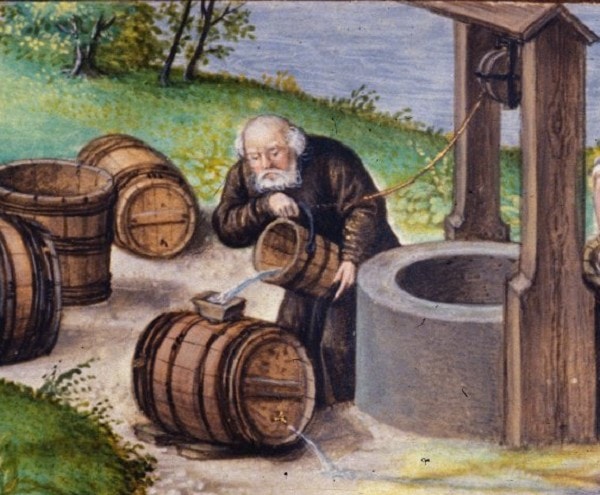
Health - Medieval monk drawing water from a well
Medieval monk drawing water from a well. Medievalists

Crocodile Poop Contraceptives

Health - Nile crocodile poop was believed to be good for one's health
Nile crocodile poop was believed to be good for one’s health. Wikimedia

The use of fly poop as medicine raises some fascinating questions. Not just about its health benefits, if it had any. More fascinating is just how did people back then, long before microscopes were invented, even manage to spot, let alone gather, tiny fly turds? However they went about the collection of fly poop, the Ancient Egyptians had a good reputation as physicians. As a result, many contemporary cultures looked up to them and tried to emulate their health care practices.

The Ancient Greeks in particular borrowed a lot from the Egyptians, and one of those borrowed things was a prescription that used crocodile poop as birth control. Ancient Greek women believed that crocodile dung inserted into their vaginas would serve as a powerful contraceptive. It might have even worked. At least in the sense that to encounter a vagina full of crocodile poop might have been such a huge turn off that it prevented sexual intercourse in the first place.


Written by

A lifelong history buff, I developed a particular passion for WW2 history as a child, when I spent hours listening to my grandfather, enraptured, as he recounted his wartime experiences in the British East African Campaign and with the British 8th Army in North Africa.

I graduated with a history BA from George Mason University, then went on to get a JD from the University of Virginia School of Law. After lawyering for a decade, I moved to sunny Rio de Janeiro and a less demanding career, opening a tourism agency in Copacabana.

A big chunk of my free time is spent blogging (you can follow me on Quora https://www.quora.com/profile/Khalid-Elhassan ) or freelance writing, mostly about my favorite subject, history.

Keep reading

Advertisement