13. The End of the Road For the Baron of Arizona

Things were going great for the Baron of Arizona, but all good things come to an end. Even as James Reavis was living the high life and enjoying being the nineteenth-century version of a rich jet setter, the wheels of justice were grinding – slowly but steadily – to expose his fraud and bring it all crashing down. For years, an official named Royal Johnson had been investigating Reavis’ claim, and in 1889, he released a devastating report that labeled it a fake. Despite his meticulous forgeries, Reavis had not been meticulous enough. His documents used printing styles different from those of the period they supposedly came from. Steel-nibbed pens – which did not come into use until the 1880s – were used for writing instead of quills. There were basic Spanish spelling and grammatical errors, unlikely to have been made by a Spanish official.
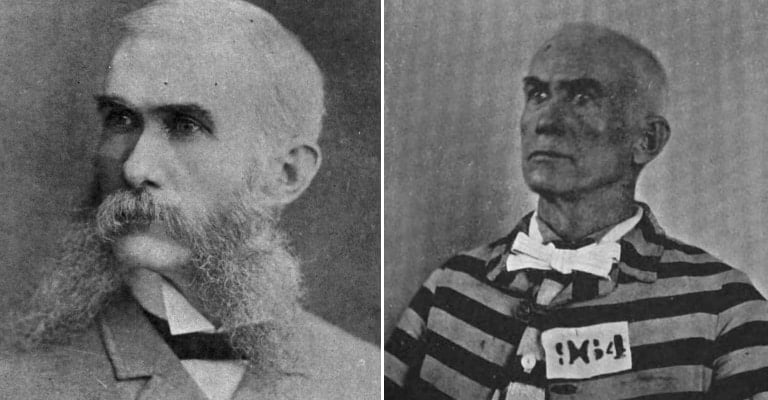
Reavis tried to brazen it out, and even sued the US government for 11 million dollars. He lost the lawsuit, with the court noting that his claim was “wholly fictitious and fraudulent“, and that his documents had been forged and “surreptitiously introduced” into the records they supposedly came from. As he left the court, he was arrested and hit with a 42-count indictment that included charges of fraud, forgery, presenting false documents, and conspiracy to defraud the US government. Tried, he was found guilty on June 30th, 1896, and sentenced to two years behind bars, plus a $5000 fine. Following his release, James Reavis drifted around in poverty, pitching investment ideas that found no takers. His wife divorced him in 1902, and he eventually ended up in Los Angeles poor house. He died in Colorado in 1914, and was buried in a pauper’s grave.


