
11. How Hitler’s Olympics Fueled a Nazi Quest for Super Soldiers
The 1936 Berlin Olympics are best remembered nowadays for the record-breaking and memorable performances of American athlete Jesse Owens. Memorable too for some German scientists and doctors at the time was how the performance of many American athletes was enhanced by Benzedrine. That was the trade name for a form of amphetamine sold by American pharmaceutical Smith, Kline & French. What with the Nazi fixation on supermen, German scientists were impressed by the effectiveness of Benzedrine as a performance enhancer. Ironically, its base, amphetamine, had first been synthesized in Germany back in the nineteenth century.
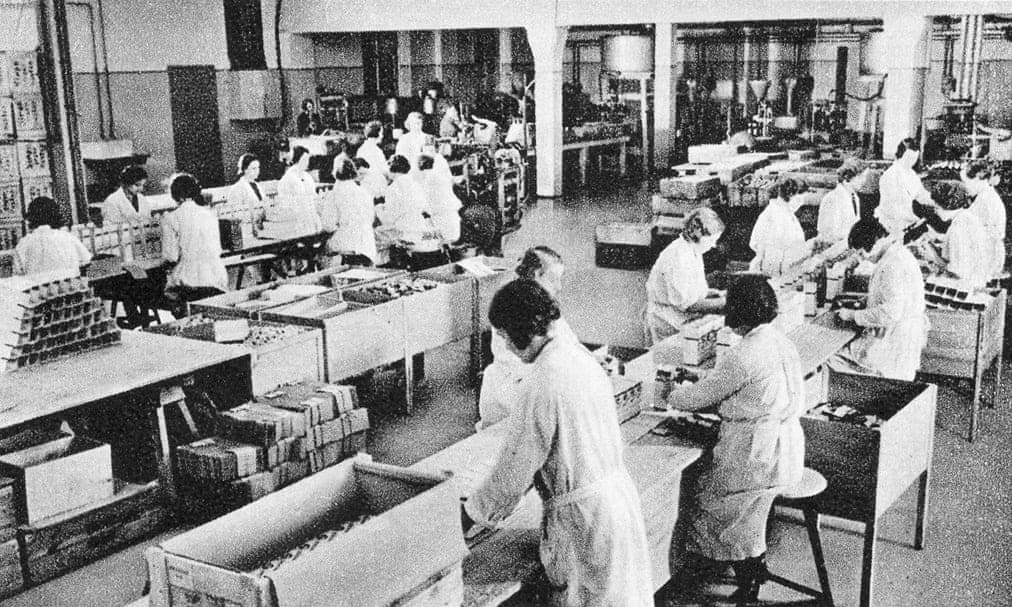
The synthesized drug languished for decades, however, because nobody could figure out a marketable use for it. That ended in 1934 when Smith, Kline & French began to sell amphetamine as an anti-congestion nasal inhaler under the name Benzedrine. Back in 1936, Olympics doping did not shock or upset people, so much as it impressed them. German scientists rushed to come up with their own version of a performance enhancement drug. A year later, a doctor Fritz Hauschild came up with a formula for methamphetamines, or crystal meth. As seen below, it became a hit in both the German domestic market, and with the German military, where its widespread use gave rise to rumors of Nazi super soldiers.


