
9. Both Sides in WWII Gave Their Troops Performance-Enhancing Drugs, But the Germans Paid a Heavier Price
Both the Allies and Axis in WWII tried to get super performances out of their warriors with drugs. However, the differences between each side’s choice of drugs – differences that were little understood or appreciated at the time – led to significantly different impacts. While both amphetamines and methamphetamines are addictive, methamphetamines are far more addictive and have significantly worse side effects. Thus, although millions of doses of performance-enhancing drugs were issued by both sides to their fighting men, the Germans paid a heavier price. Their drug, Pervitin, based on methamphetamine, was far more harmful than the Allies’ amphetamine-based Benzedrine.
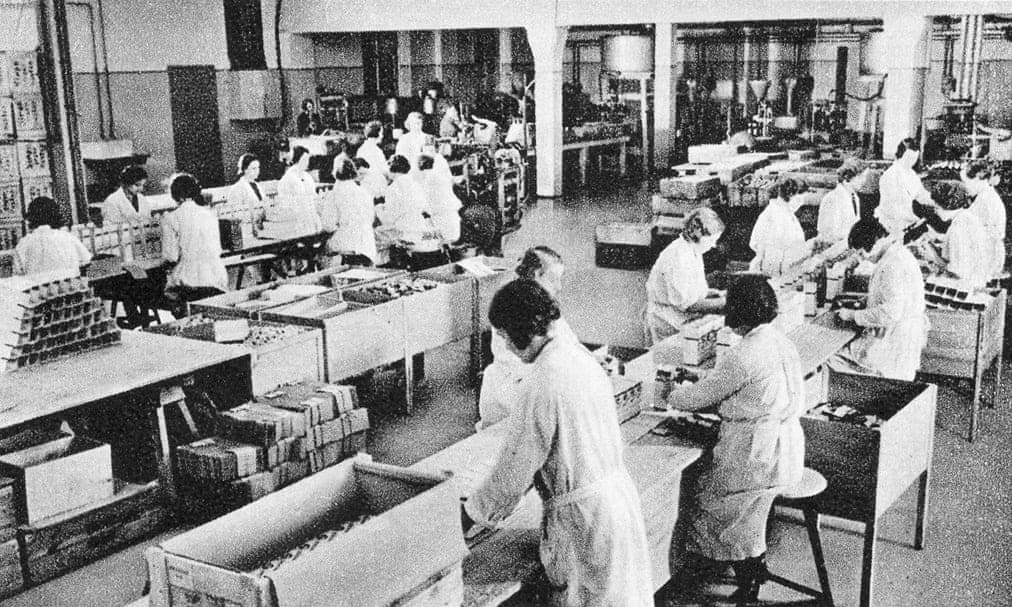
Soon as it had hit the market in 1938, before the war, Pervitin became so popular and ubiquitous that it was marketed to German women in boxes of chocolate. The frauleins were urged to take two to three a day, in order to breeze through house chores and lose weight: the methamphetamine in Pervitin also suppressed appetite. With the drug such a huge hit with the German public, Germany’s military decided that it wanted a hit as well. After hurried tests, it was approved for issue to the Wehrmacht and ordered into mass production.


