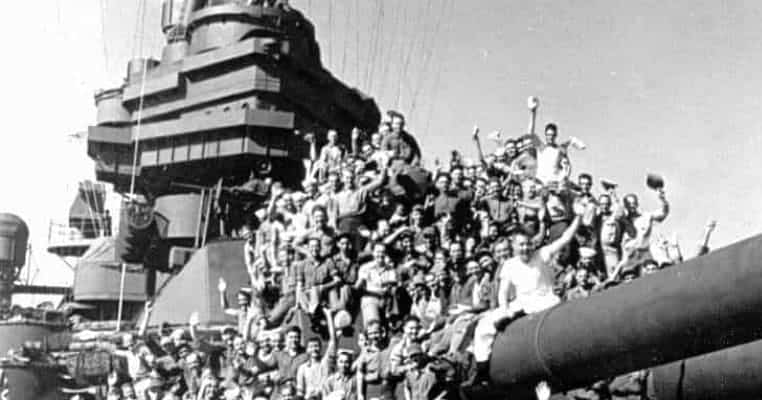
15. Life for the Army on Navy warships
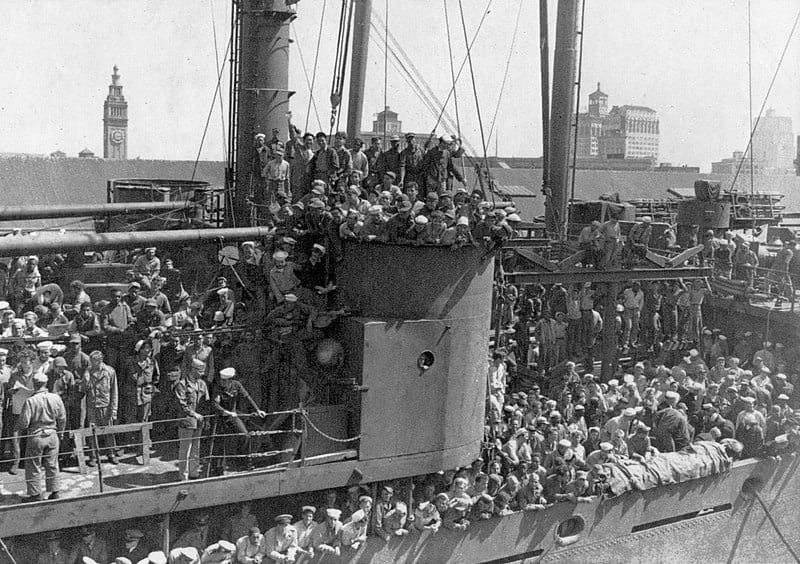
Soldiers picked up and transported on US Navy destroyers had never experienced anything to prepare them for such a journey. Destroyers were manned by relatively small crews and had few amenities, and the presence of so many additional men aboard strained what little they offered in the way of comfort. Army personnel were usually greeted with a letter signed by the ship’s captain, often a Lieutenant-Commander or senior lieutenant, which described what was expected of them and what would be offered for their care. The letter informed them of the existence of what Navy ships publish each morning, a schedule known as the Plan of the Day.
The soldiers were informed of when they would take their meals, when and where movies would be shown, regulations regarding the use of water for both drinking and showering (which differed based on the ship’s ability to distill potable water), where to assemble during general quarters or other ship operations, when and where smoking was allowed, and what areas of the ship were off limits to army personnel. On smaller ships in rough seas, most of them became seasick, but as most of the Navy crews were recent replacements with limited experience, many of them suffered from the same malady. Inter-service rivalries between sailors and soldiers led to pranks, arguments, and sometimes physical confrontations.


