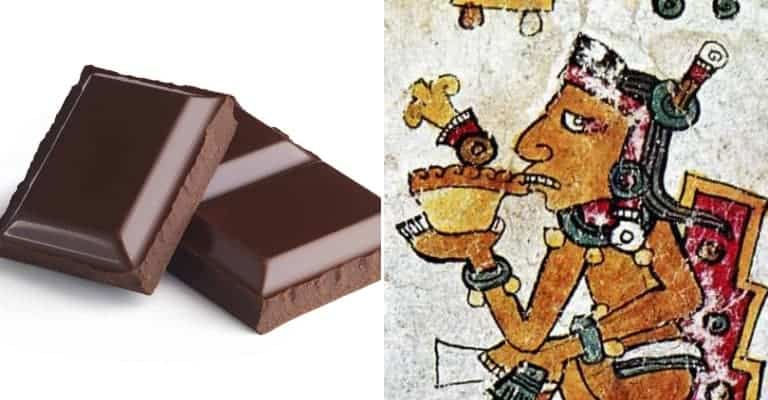

7. It’s no accident that Belgium is the home of chocolate
Belgium is the spiritual home of anyone with a sweet tooth. Belgian streets are so stuffed with chocolatiers and bakeries that they look like they’ve been built by the witch from Hansel and Gretel. Belgian chocolate, traditionally a sweet and rich variety, is enjoyed all over the world, and is a major part of the country’s economy. Understandably, the Belgians take chocolate very seriously. Since 1894, the specific composition of Belgian chocolate has been subject to legislation demanding a minimum level of pure cocoa. It takes years of work and intense study to become a Belgian master chocolatier.
But it is not a coincidence that Belgium is so renowned for its chocolate. Back in the 17th century, Belgium was occupied by the fathers of European chocolate, Spain. The Spanish brought with them their taste for chocolate, and gave the closely-guarded secret of how to make the drink to locals. Though the Spanish eventually left, the chocolate remained, and sweet-toothed Belgians invented many of today’s favorite varieties. The industry was helped in no small part by the cocoa plantations in the Belgian Congo, which ensured the chocolatiers had an economically viable and ready supply of the necessary raw materials.


