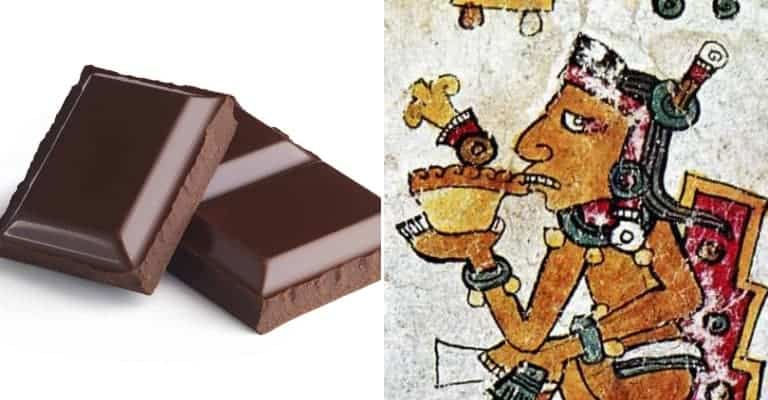

14. Over in Europe, chocolate’s alleged aphrodisiac qualities saw it both celebrated and condemned
The idea that chocolate is an aphrodisiac is a rather ancient belief. The Aztecs believed this to be the case (see below), and the Europeans who stole their recipe and lands agreed with them. In 1624, the German theologian Franciscus Rauch blamed an epidemic of sexual misbehavior in monasteries on the consumption of chocolate, which caused a ‘blaze of passion’ in the otherwise-impeccable monks. For people outside of monasteries, however, this was a thing to be celebrated. No less an authority than Giacomo Casanova (1725-98), veteran of 122 high-profile sexual conquests, agreed wholeheartedly with the infuriated Rauch.
France – very much the home of love in popular consciousness – also had its adherents. The Marquis de Sade, a voracious sexual predator, fueled his passions with Paris’s finest chocolate. Madame de Pompadour (above) was the mistress of King Louis XV, and would drink chocolate and amber to prepare for a night with the monarch. An important job for a king and queen was of course to produce an heir, and thus it is no surprise that chocolate was introduced to France at Louis XIII’s wedding to Anne of Austria, or that Marie Antoinette brought her own chocolatier from Austria.


