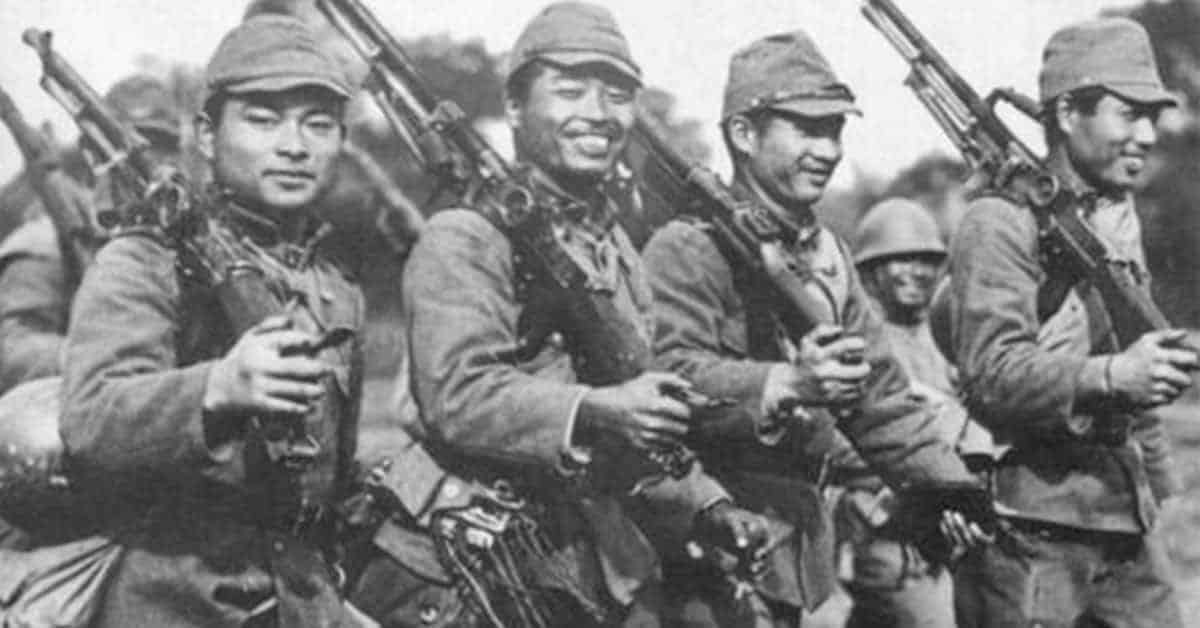

Ishinosuke Uwano
Born in 1922, Ishinosuke Uwano was drafted into the Japanese Imperial Army during World War II, and was posted to the garrison of the then-Japanese southern half of Sakhalin Island in 1943 – the northern half belonged to the USSR. In August of 1945, the Soviet Union declared war on Japan and successfully invaded and seized the southern half of Sakhalin, despite fierce Japanese resistance.
After Japan surrendered, the Soviets shipped the surviving Japanese of the Sakhalin garrison to prisoner of war camps in Siberia, where they labored for years, until they were repatriated to Japan in the late 1940s and early 1950s.
Uwano was not included in their numbers. In the years following the war, his family received reports of scattered sightings of him in Sakhalin, where it was suspected he had gone into hiding in its rugged and harsh terrain after he found himself cut off and behind enemy lines following the Red Army’s advance. The last reported sighting of Uwano in Sakhalin was received by his relatives in 1958, a full 13 years after the war had ended. After that date, no more was heard of him.
In 2000, his family recorded his disappearance in accordance with a law for registering as war dead Japanese military personnel who did not return after World War II.
In 2006, it was discovered that Uwano, by then 83 years old, was still alive, and living in the Ukraine. At some point, it seems he had reconciled himself to Japan’s defeat and surrendered to the Soviets. Between the Soviet Union’s paranoid penchant for excessive secrecy, exacerbated by Cold War tension, as well as bureaucratic ineptness, neither the Japanese government nor Uwano’s family was notified.
After his eventual release from Soviet imprisonment, he settled in the Soviet Union instead of returning to Japan. He got naturalized as a citizen, ended up living in the Ukrainian SSR, married, and had three children. It was only after he asked Ukrainian friends to contact the Japanese government, which then sent officials to interview him in Kiev, that the story of his survival came out.
When he sought to visit Japan in order to pray at his parents’ graves, reconnect with his family, and see once more his birth country’s famous cherry blossoms, it emerged that, because he had been declared dead in 2000, he was technically no longer considered a Japanese citizen. He was allowed to visit Japan, but only as a visiting Ukrainian citizen traveling on his Ukrainian passport.
Not that Uwano minded. As he told reporters, he had no plans to live in Japan. “Ukraine has become my homeland”, he said.


