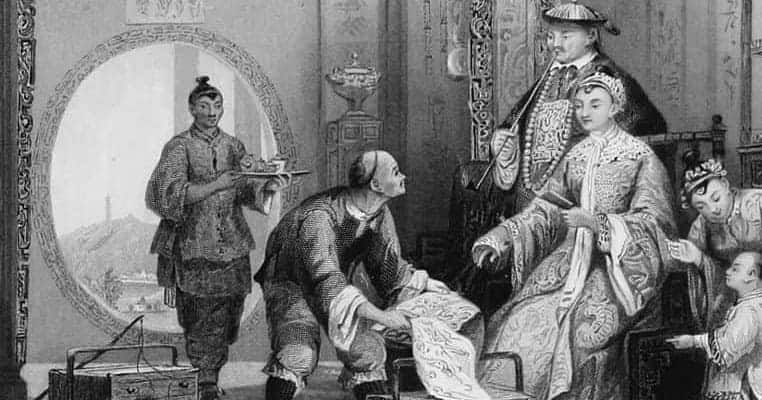
9. Women were considered a commodity during the Tang Dynasty
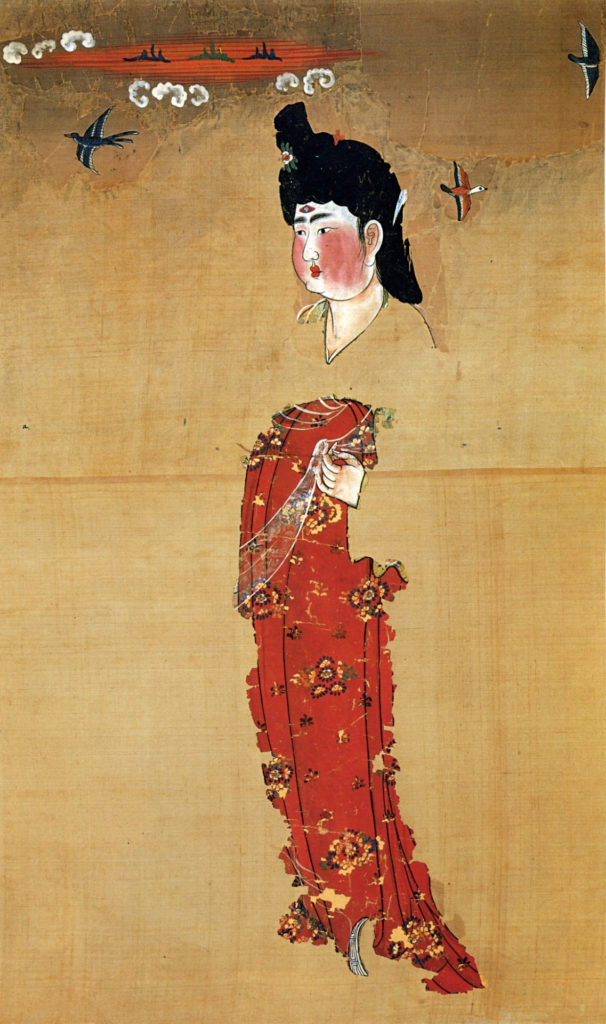
During the Tang Dynasty (seventh to tenth centuries CE) the role of women in Chinese society changed in many ways. Legally a man could have but one wife at a time, and wives were not supposed to be sold into slavery, but in practice both wives and daughters were sold into brothels, where the girls took the name of the madam as theirs. In addition, under the law, a man could retain a wife and as many concubines as his finances would allow. Young girls sold as concubines were trained in several areas, such as reading of poetry and developing conversational skills, and performed services as courtesans which were similar to those of the geishas of Japan. Courtesans remained the property of the brothel’s madam unless they were released, or through marriage to a customer.
Because the courtesans were required to converse intelligently with customers, perform songs, and read poetry, the education of women became a matter of good business. During the Tang Dynasty, young girls saw opportunities open up for them which had been denied to those of earlier generations. Young women developed skills in weaving, considered an art form as well as a business. Women became street artists and storytellers, relating their stories through acting them out. Both Buddhist convents and Taoist priestesses emerged. Women began to work as assistants to government functionaries, serving as secretaries within the bureaucracy, though not as civil servants themselves. Tang households often paid their taxes in the form of bolts of silk, paid by the male master of the house from silk woven by its women.


