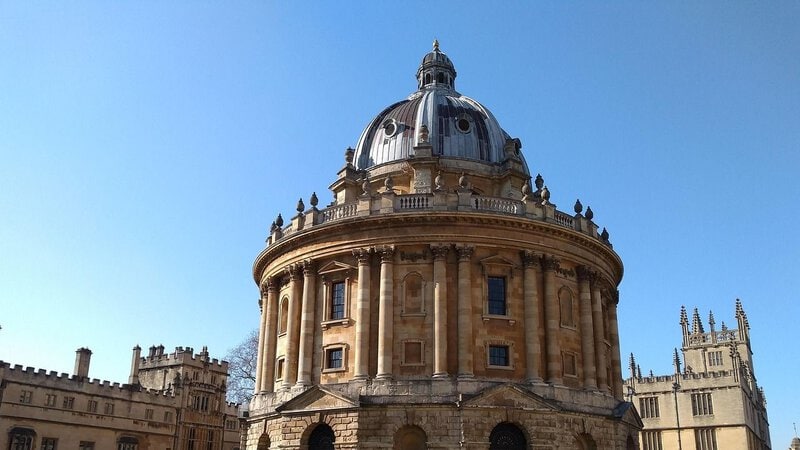
Somewhere between knowing that Oxford University is old and knowing just how old, most people’s mental timeline quietly breaks. The university doesn’t just predate the Aztec Empire by a few years — it was already a mature, degree-granting institution with libraries, colleges, and centuries of tradition before the Aztecs had even chosen the island where they would build their capital.
1096 — Scholars Gather in Oxford Before Anyone Has Even Heard of the Aztecs
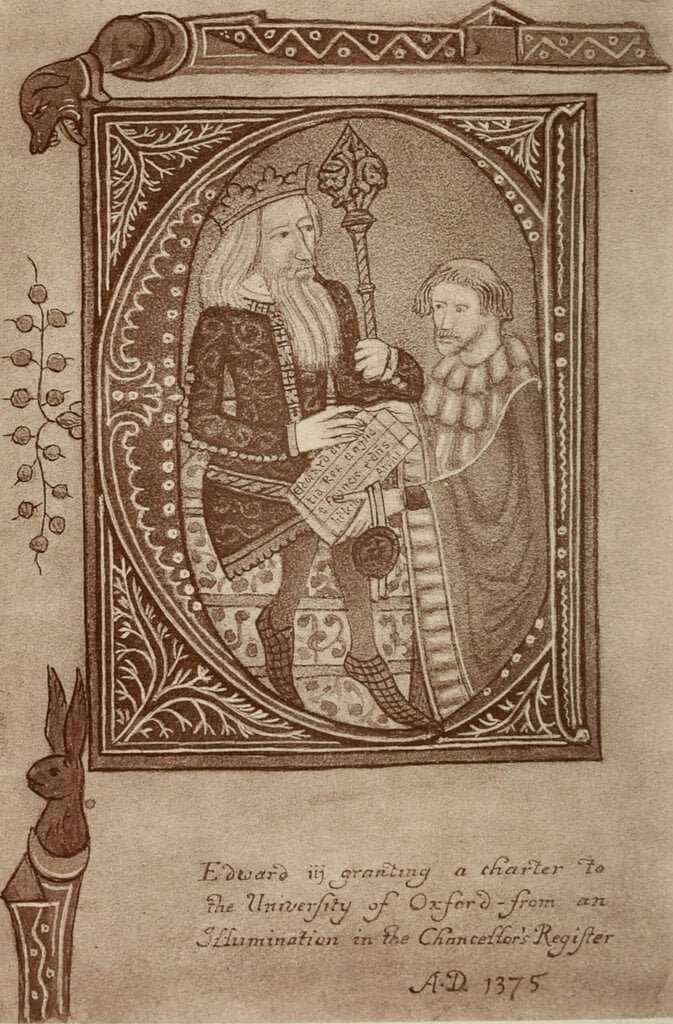
Picture a damp English market town straddling the Thames, still raw from the upheaval of the Norman Conquest just thirty years before. Into this world, wandering scholars began to cluster, drawn by teachers willing to lecture on theology and the liberal arts. Teaching at Oxford is recorded no later than 1096 — a date so early that the Mexica people, who would one day raise the greatest empire in Mesoamerica, had not yet arrived anywhere near the Valley of Mexico.
There was no Aztec Empire to speak of, no Tenochtitlán, no Triple Alliance — not even a distant rumor of what was coming. Oxford’s story begins in a medieval England still figuring out what it meant to be itself, centuries before anyone on either side of the Atlantic could have imagined the other existed.
1167 — A Royal Dispute Supercharges Oxford Into a Proper University
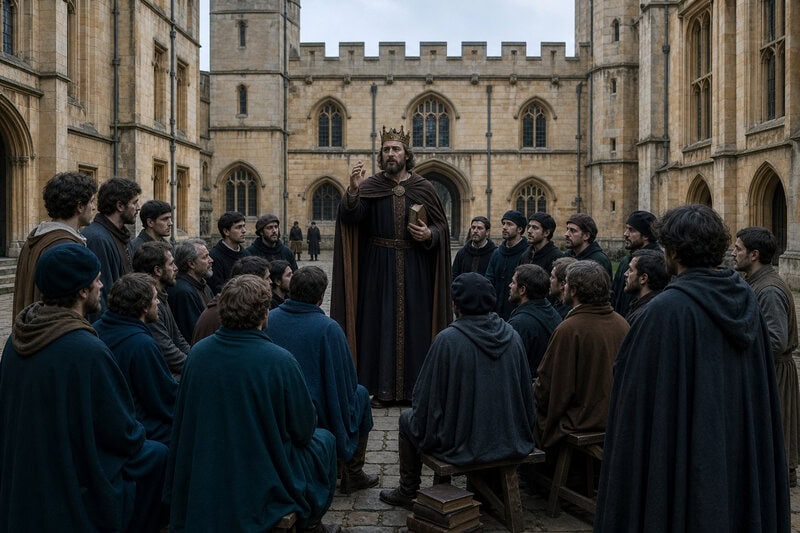
King Henry II, locked in a political dispute with France, banned English students from attending the University of Paris. The unintended consequence was electric: scholars flooded home and converged on Oxford, transforming what had been an informal gathering of teachers and students into something with real institutional momentum. Within decades, Oxford had a chancellor, organized faculties, and the administrative bones of a formal university — all while the Aztec Empire remained more than 150 years away from even being imagined.
That royal decree, born of diplomatic irritation rather than any grand educational vision, effectively turbocharged Oxford’s growth. Britannica notes the remarkable trajectory of a university whose origins owe as much to political accident as to scholarly ambition — and whose momentum, once ignited, never really stopped.
Early 1200s — Oxford Issues Its First Formal Degrees
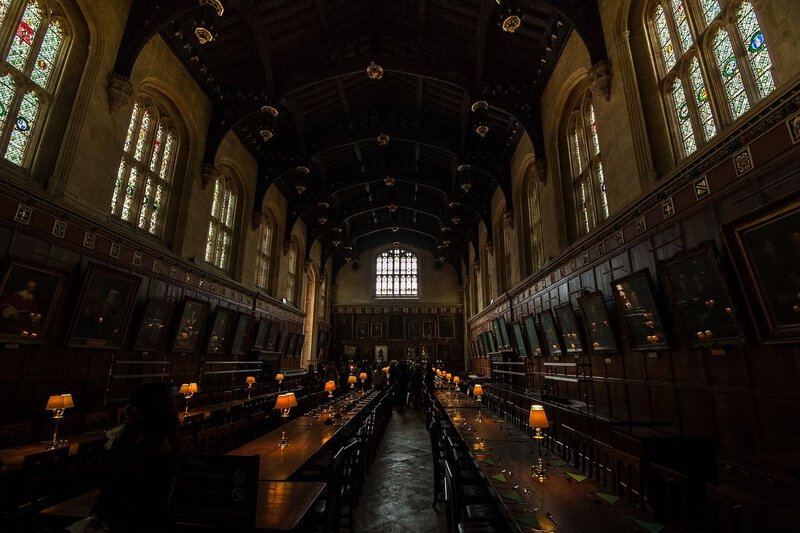
By the early thirteenth century, Oxford had crossed the threshold that separates a gathering of scholars from a true university: it was conferring formal degrees and operating under a recognized chancellor. Students arriving in those years stepped into a city that smelled of tallow candles and river mud, bent over manuscripts in candlelit rooms, studying theology, law, and the full sweep of the liberal arts. The degree-granting structure — the credentialing machinery that still defines universities today — was in place roughly 125 years before the Aztec capital would be founded.
On the other side of the planet, the Mexica were still nomadic, still searching. Oxford had already established many of the traditions that continue to this day by the time the Aztecs began to coalesce as a people with a destination. The asymmetry is almost difficult to hold in the mind.
1264 — Merton College Founded, Its Library Older Than the Aztec Empire Itself
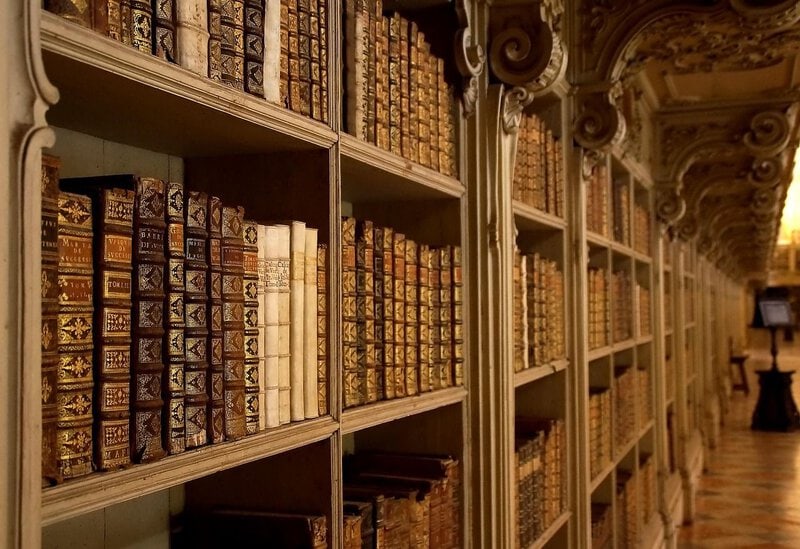
When Merton College was established in 1264, it was already thinking about posterity. Its library — one of the oldest in continuous use anywhere in the world — was built and stocked in the thirteenth century, its shelves filling with manuscripts decades before the Aztec Empire existed in any form. The BBC has reported that Merton College Library has been in continuous scholarly use since the fourteenth century, meaning books were being pulled from its shelves, annotated, debated, and returned before the first ceremonial stake was driven into the island of Tenochtitlán.
Scholars at Merton worked in the 1300s on problems of geometry, motion, and astronomy — filling pages with calculations that pushed the boundaries of medieval knowledge — and doing all of it in a building that predates the empire most people assume belongs to the same broad era as Oxford itself. The so-called Oxford Calculators, a group of fourteenth-century Merton scholars, developed early versions of the mean speed theorem, anticipating ideas that would not be fully formalized until Galileo.
1325 — Tenochtitlán Is Founded, and Oxford Is Already Ancient by Comparison
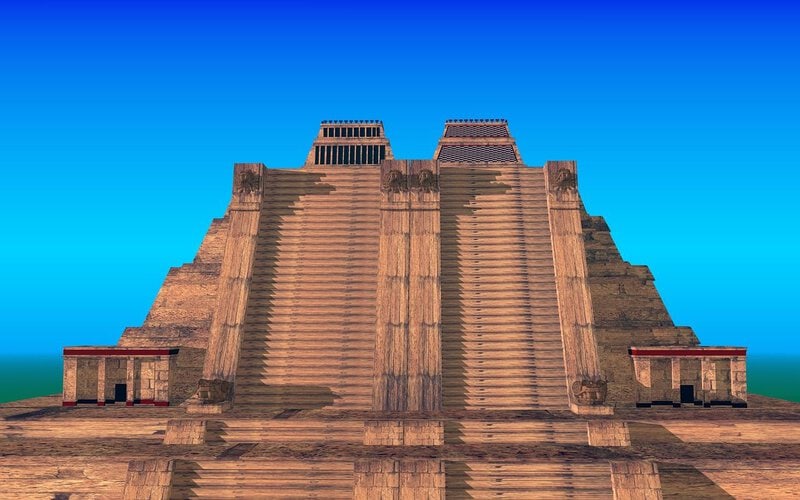
Around 1325, the Mexica drove their stakes into a swampy island in Lake Texcoco and began to build. According to Smithsonian Magazine, this was the founding moment of Tenochtitlán, the city that would grow into the beating heart of the Aztec world. It was an extraordinary act of will and vision — building a metropolis on water, engineering chinampas and causeways from an unlikely island perch.
But by that single date, Oxford had already been teaching students for at least 229 years. That is a longer stretch of time than the entire lifespan of the United States as of 2025. Oxford’s colleges, libraries, degree ceremonies, and scholarly traditions were not new things in 1325 — they were already established, already storied, already producing alumni who had lived and died and been forgotten before Tenochtitlán’s first stone was laid.
14th Century — Oxford’s Traditions Take Root While an Empire Takes Shape Across the Atlantic

Through the 1300s, Oxford refined the collegiate system and the tutorial model — the intimate teaching structure that still defines an Oxford education today. Colleges accumulated endowments, built chapels, and developed the rituals and rivalries that would persist for centuries. It was a civilization in miniature, turning itself into something durable.
Simultaneously, across an ocean nobody in Oxford knew existed, the Mexica on their island city were building chinampas, forging alliances, and laying the military and religious foundations of an empire. Two civilizations, utterly unaware of each other, were each doing the foundational work that would define them for centuries to come.
1428 — The Aztec Triple Alliance Formally Launches the Empire; Oxford Is Now 332 Years Old
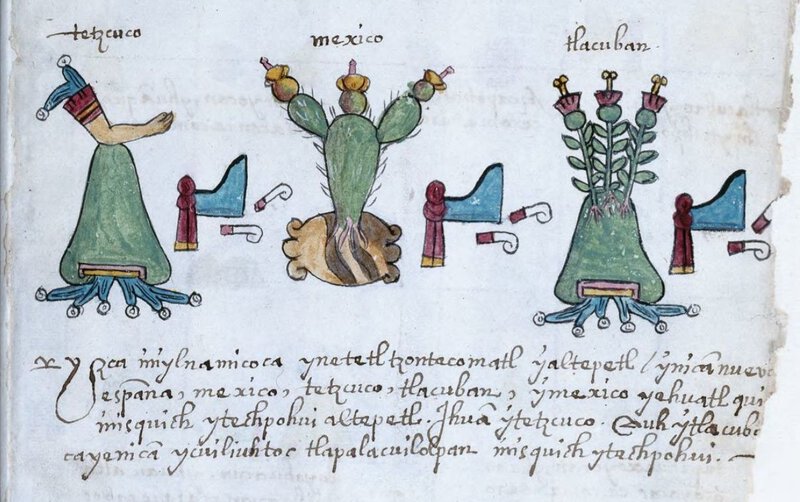
Some historians date the Aztec Empire more precisely to 1428, when Tenochtitlán, Texcoco, and Tlacopan forged the Triple Alliance — the political engine of true imperial expansion. This is the moment when the Mexica stopped being a rising city-state and became the architects of a continent-spanning empire. It explains why some sources describe the Aztec Empire as a fifteenth-century phenomenon even when Tenochtitlán itself is a fourteenth-century city.
By 1428, Oxford had been a functioning university for well over three centuries — older at that moment than the United States is today. Whether you use 1325 or 1428 as your Aztec starting point, Oxford predates the empire by a staggering margin — not by a generation or two, but by an era.
1521 — The Aztec Empire Falls; Oxford Keeps Going
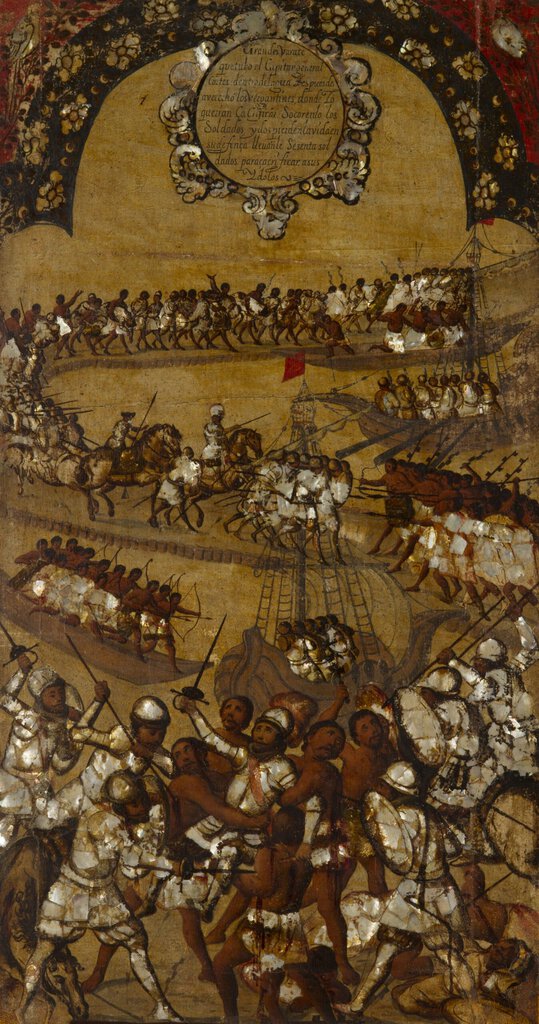
In 1521, Spanish forces under Hernán Cortés, allied with tens of thousands of Indigenous warriors who had their own grievances against Aztec rule, defeated Tenochtitlán after a siege of roughly eighty days. The world the Mexica had built — its pyramids, its markets, its tribute networks, its astronomical calendars — collapsed with devastating speed. The empire had lasted roughly two centuries in its fullest form. It was a civilization of genuine brilliance, and its end was a catastrophe by any measure.
Oxford, meanwhile, was barely halfway through its story. It would go on to survive the English Reformation, the Civil War, the Industrial Revolution, the World Wars, and the entire modern era. The complete lifespan of the Aztec Empire — from Tenochtitlán’s founding to its conquest — fits comfortably inside Oxford’s history with centuries to spare on either side, like a chapter within a much longer book.
The Comparison Goes Viral — And Why It Lands So Hard
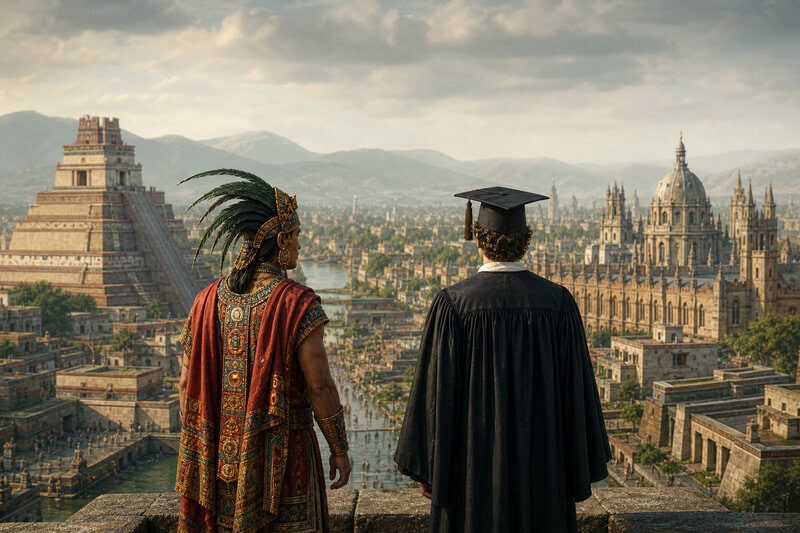
When Smithsonian Magazine highlighted the timeline gap between Oxford and the Aztec Empire, the fact spread across social media with the specific energy of something that feels impossible until you check the dates. Readers described it as “a history fact that feels wrong” — the very definition of counterintuitive. The Tab and other outlets noted its viral spread, watching people work through the same cycle of disbelief, calculation, and reluctant acceptance.
The comparison resonates so powerfully because most people’s mental map of history lumps Oxford and the Aztecs into the same broad drawer labeled “old things from before the modern world.” The reality is that Oxford belongs to a completely different historical stratum — one that predates the Aztec world the way the Aztec world predates the internet. Both civilizations deserve to be understood on their own terms; collapsing them into a single era does justice to neither.
Today — The Merton Library Books Still Circulate; Tenochtitlán Lies Beneath Mexico City
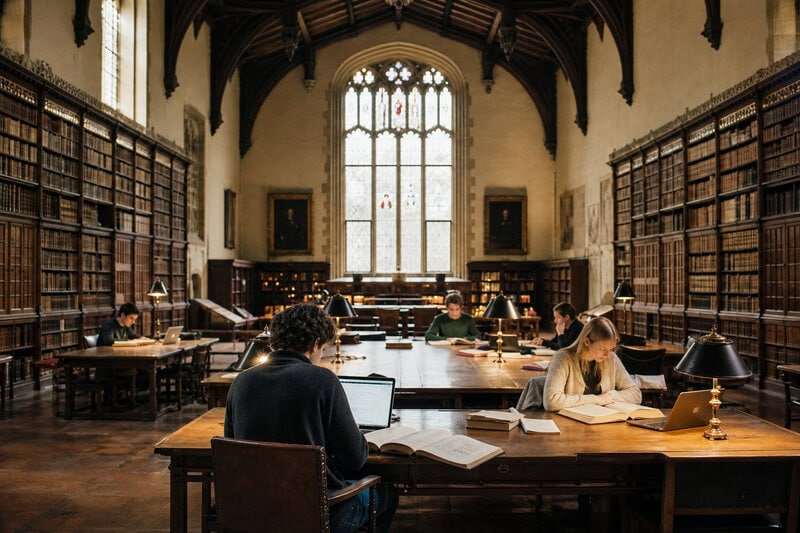
Merton College Library remains in active use today, its oldest volumes having outlasted an entire empire that rose and fell after the library was built. Students still pull books from its shelves, still sit at its tables, still work by the kind of quiet that only very old buildings seem to generate. The library didn’t pause for the Aztec Empire’s rise and fall; it simply kept going, as it has for more than seven hundred years.
The ruins of Tenochtitlán lie under the streets of modern Mexico City, glimpsed in subway excavations and dedicated archaeological sites, while Oxford’s medieval colleges still stand above ground and host tutorials every week. The timeline of Oxford University and the Aztec Empire isn’t just a quirky trivia fact — it’s a vivid reminder that history doesn’t move at the same pace everywhere, and that the word “old” means very different things depending on where you stand.
From a cluster of scholars in a Norman-era market town to a library that watched an empire rise and fall from across an ocean it didn’t know existed, the Oxford-Aztec timeline is one of history’s most quietly astonishing stories — hiding in plain sight inside two facts most people already think they know.