
16. The Anglican Church came to accept evolution by the end of the 19th century
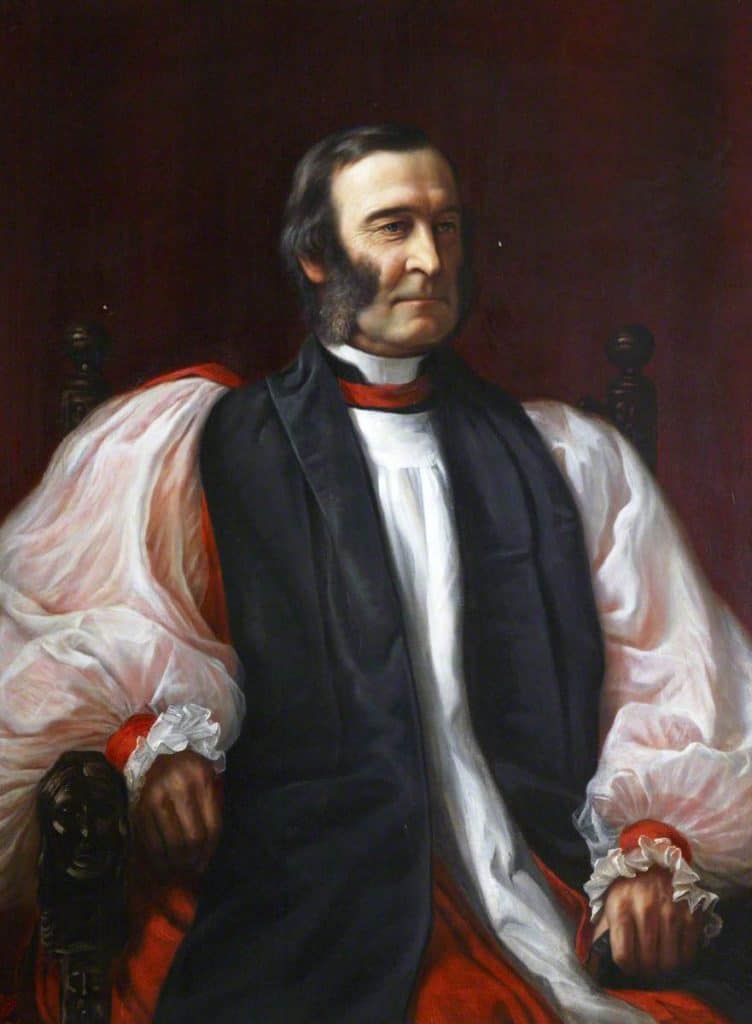
During the last quarter of the 19th century, the debate over evolution in the hierarchy of the Anglican Church in England led to gradual acceptance. Frederick Temple was a leading figure of the Church who was present at the debate between Huxley and Wilberforce and became a proponent of evolution. Temple delivered a sermon during the same conference in which in praised the insights provided by the science of evolution, and later (1884) delivered a series of lectures which claimed that evolution and religion were not mutually exclusive. Temple claimed that evolution, “is in no sense whatever antagonistic to the teachings of Religion”.
In 1896 Temple became Archbishop of Canterbury, the leader of the Church of England (under the titular head of the Church, the monarch of Great Britain). His elevation to the post indicated the broad level of acceptance of evolution as fact based on science in Great Britain. The Catholic Church likewise generally supported the science of evolution and the teaching of its tenets in Catholic schools, though it did not support natural selection, but rather divine intervention in the continuing transmutation of species. In the United States, several Protestant groups opposition to evolution, and it’s being taught in publicly funded schools, intensified.


