Back to the front page
American History

Juneteenth and Other Lesser Known African-American Historical Culture

Colonel Tye - American Revolutionary War
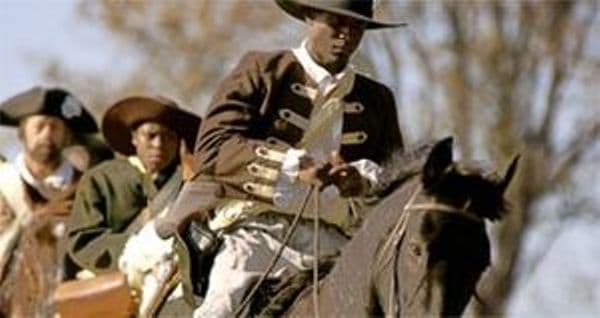
Colonel Tye as portrayed in a PBS documentary. PBS
Advertisement

2. Deciding the Fate of Black Loyalists

George Washington and the victorious Patriots enter New York City, as the British evacuate. Associated Press Images

The runaway slaves who had fought for freedom in British ranks had good reason to worry when the Patriots won the American Revolution. When negotiating the 1783 Treaty of Paris that ended the war, the victors’ negotiators had added a last-minute clause, forbidding the British from “carrying away” American property. That “property” included the black escapees who had fought for the British.

With the signing of the peace treaty, the fate of the Black Loyalist escaped slaves became a bone of contention between the Patriots and British military commanders. According to the terms of the treaty, the British were bound to deliver their black comrades in arms to their former masters. However, the British on the ground refused to do so.

Written by

A lifelong history buff, I developed a particular passion for WW2 history as a child, when I spent hours listening to my grandfather, enraptured, as he recounted his wartime experiences in the British East African Campaign and with the British 8th Army in North Africa.

I graduated with a history BA from George Mason University, then went on to get a JD from the University of Virginia School of Law. After lawyering for a decade, I moved to sunny Rio de Janeiro and a less demanding career, opening a tourism agency in Copacabana.

A big chunk of my free time is spent blogging (you can follow me on Quora https://www.quora.com/profile/Khalid-Elhassan ) or freelance writing, mostly about my favorite subject, history.

Advertisement

Keep reading