Back to the front page
American History

America Accidentally Attacked the Soviet Union and Other Lesser Known History Moments

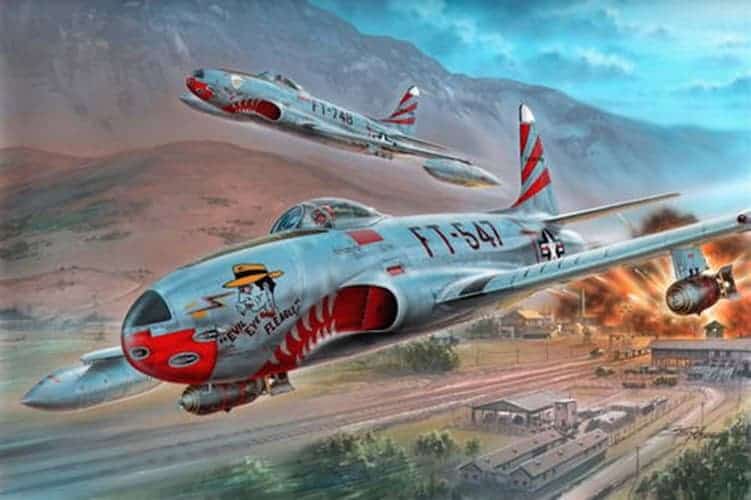
Lockheed P-80 Shooting Star - Aircraft
American F-80s in action during the Korean War. Squdron

25. A Disastrous Retreat

Afghans cutting down the retreating British in a mountain pass. The Telegraph

A British column of 16,000 soldiers and civilians set out from Kabul on January 6th, 1842. They were barely a mile beyond the city before they began to take sniper fire from the surrounding hills. By day’s end, emboldened Afghan tribesmen were dashing in and out of the column to loot the supply train and butcher whoever they could lay their hands on. That night, many froze to death as the column camped in the open without tents.

The following day, some Afghan leaders arrived and demanded that the British halt while they tried to ensure the safety of the route ahead. They extorted a large sum of money, negotiated a British agreement to withdraw immediately from all of Afghanistan, and demanded that they be given officers as hostages. The following day, the British resumed the march, by which point many of the soldiers had become too debilitated by the cold to fight. As they entered a narrow pass, the column was fired upon by tribesmen ensconced on the rocks above, losing 3,000 casualties.

Written by

A lifelong history buff, I developed a particular passion for WW2 history as a child, when I spent hours listening to my grandfather, enraptured, as he recounted his wartime experiences in the British East African Campaign and with the British 8th Army in North Africa.

I graduated with a history BA from George Mason University, then went on to get a JD from the University of Virginia School of Law. After lawyering for a decade, I moved to sunny Rio de Janeiro and a less demanding career, opening a tourism agency in Copacabana.

A big chunk of my free time is spent blogging (you can follow me on Quora https://www.quora.com/profile/Khalid-Elhassan ) or freelance writing, mostly about my favorite subject, history.

Keep reading

Advertisement