14. Napoleon requested bracelets be made of his hair

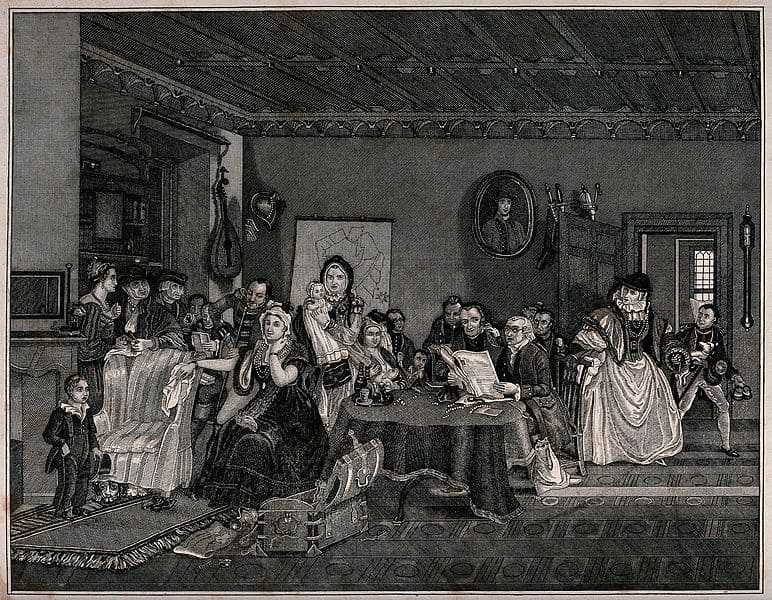
The last will and testament of Napoleon is a lengthy document, including several codicils and inventories of his possessions, with specific instructions over how they should be distributed to his relatives, friends, and those who had served them. Among them is a direction to Louis Joseph Marchand, his personal valet and friend whom the Emperor made a Count while on his deathbed, a title later confirmed by Napoleon III. In his will, Napoleon directed Marchand to “…preserve my hair, and cause a bracelet to be made of it, with a little gold clasp, to be sent to the Empress Maria Louisa…” Napoleon then listed several other recipients of his hair bracelets.
He directed that bracelets be sent, “…to my mother, and to each of my brothers, sisters, nephews, nieces, the Cardinal; and one of larger size to my son”. He did not, as is often erroneously recorded, direct that his hair be sent to his former generals and other friends. Whether Napoleon’s request was acceded to remains disputed; others of his last will and testament were not. He mentioned in more than one location that it was his wish that his ashes “may repose on the banks of the Seine, in the midst of the French people, whom I have loved so well”. Instead the British buried him on the island of St. Helena, and he was later disinterred and placed in a tomb in the Hotel des Invalides in Paris.


