13. Charles Dickens used his will to request a modest and quiet burial

Charles Dickens during his lifetime was more than just a novelist who created memorable characters such as Ebenezer Scrooge, Uriah Heep, Mr. McCawber, and Oliver Twist. He was an international celebrity whose readings of his works drew large crowds on both sides of the Atlantic. His social commentary was influential regarding debtor and prison reforms, the reform of mental health institutions, child labor, the slums of the great cities, and social welfare. During his tours of America he created controversy by pointing out the contradictions of American society, including his harsh condemnation of slavery in America prior to the Civil War. His death was widely mourned in the United States and Great Britain.
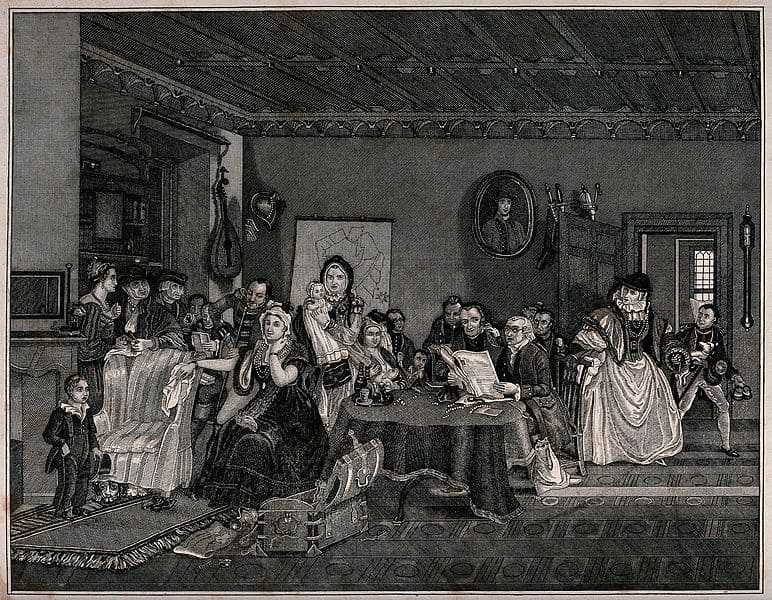
Despite his international acclaim, Dickens specified in his will that his funeral be quiet and simple. “I emphatically direct that I be buried in an inexpensive, unostentatious, and strictly private manner”, he wrote. Dickens directed that there be no more than three “plain mourning coaches” in his funeral procession, which was not to be announced to the public in advance of the event. He also wrote, “…that those who attend my funeral wear no scarf, cloak, black bow, long hatband, or other such revolting absurdity”. Most of his instructions were followed, though his request to be buried in Kent was not, and instead the writer was interred in Westminster Abbey, with the day following his funeral being one of national mourning.


