
12. Baily Lighthouse in Ireland was once the brightest in the world
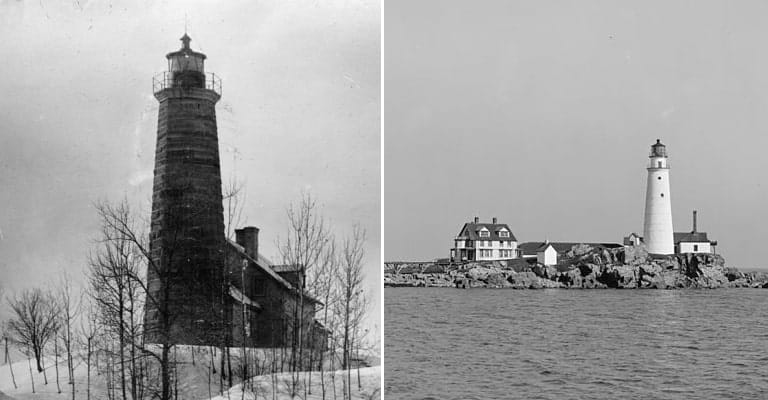
Baily Lighthouse is situated on a spit of land called Howth Head in Dublin. As with many lighthouses it is not the first to have been erected on the site, an important part of the sea lanes to enter the port of Dublin. The first was erected in the late 1660s under letters of patent from King Charles II. It was a short tower which held an open coal fire, and parts of the original facility remain. In the 1790s it was converted to burn oil, using six lamps backed by parabolic mirrors, with the light focused through a glass pane towards the open sea. In 1814 the lighthouse was moved to a new location, a taller tower was erected, and a more powerful lamp installed, providing a brighter signal over an extended range. The several incidents of collisions and shipwrecks in the area, often caused by heavy fog which obscured the signal, led to the installation of fog bells to supplement the light.
In 1865, notable improvements were made to the lighthouse which included the installation of a recently patented gas burning light. To support it, a gas plant was erected on the premises which manufactured gas from shale and eventually from coal. The new lamp, which its inventor John Richardson Wigham called a crocus burner, provided illumination more than a dozen times brighter than any other known source of artificial illumination, making Baily Lighthouse at the time the most powerful beacon in the world. The light was so successful that the system was installed in several other lighthouses in Ireland and across Great Britain. Baily Lighthouse was converted to electric light in 1972 and automated in 1996, the last of the Irish lighthouses to be rendered fully automatic, though an attendant retains a presence on the premises.


