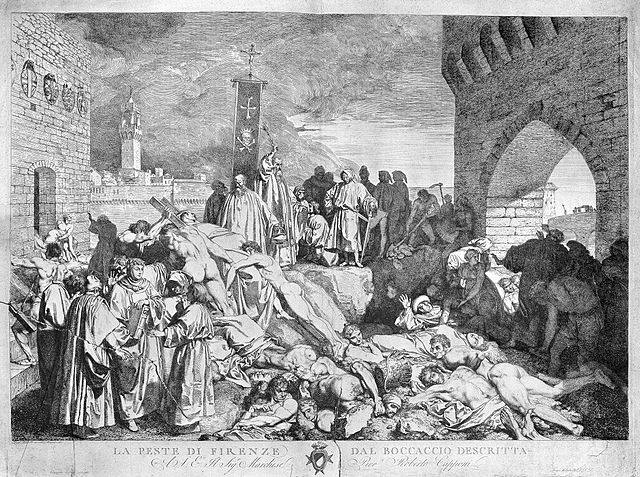

15. The Plague Created Peasant Uprisings and Urban Worker Revolts
When the plague hit, it created a massive labor shortage, especially in cities where 70% of the population died. Workers started demanding higher wages which is something nobles and guild masters strongly opposed. The Black Death also severely depleted the tax base. This caused kings to raise taxes drastically to meet expenses coming from the warfare of the time, mainly the Hundred Year’s War between France and England. Thwarted demands and high taxes caused revolts among the people.
These uprisings would take authorities by surprise who were already dealing with death and issues of fornication and playing the blame game. Authorities would either be killed or flee to the safety of local castles and towns. Rebellions would sweep like wildfire but eventually would be squashed due to poor planning. Rebels were poorly armed, untrained, and highly unorganized. Authorities would gather forces and leave more death in their wake with massacres and executions as a warning to quell other rebellions.


