9. Captain Beach attempted to establish a ship’s routine early in the cruise
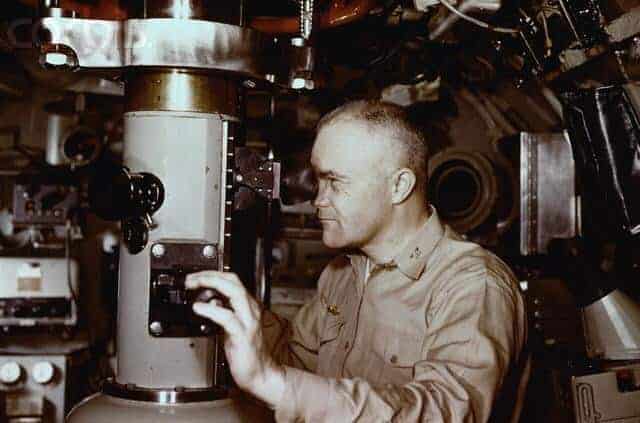
The commanding officer of a US Naval ship has no shortage of drills at his disposal, and the ability to create new ones of his own. Early in the cruise, Captain Beach decided daily drills of all sorts were paramount to the ship’s readiness and the crew’s morale. Drills were conducted after the noon meal, after a test of all of the ship’s various alarms. Beach scheduled the alarm tests first, for them to serve as a sort of reveille for the portion of the crew sleeping following their watch. In addition, though cleaning of spaces and equipment was a duty of every watch stander, weekly “field days” were held, periods of deep cleaning of the ship and equipment maintenance.
To help morale, Beach used the time at periscope depth for star sights and ventilation to attempt to find radio broadcasts. Radiomen monitored the broadcasts, when found, and provided the news, or sports scores, to editors of the ship’s newspaper. Beach recommended in his narrative of the voyage, “For morale purposes alone, during the extremely long submergences now practicable, it appears desirable that daily digests of general news be transmitted over official circuits”. Triton was the first American submarine to avail itself of the Very Low Frequency (VLF) antenna, which was capable of receiving broadcasts over extremely long distances.


