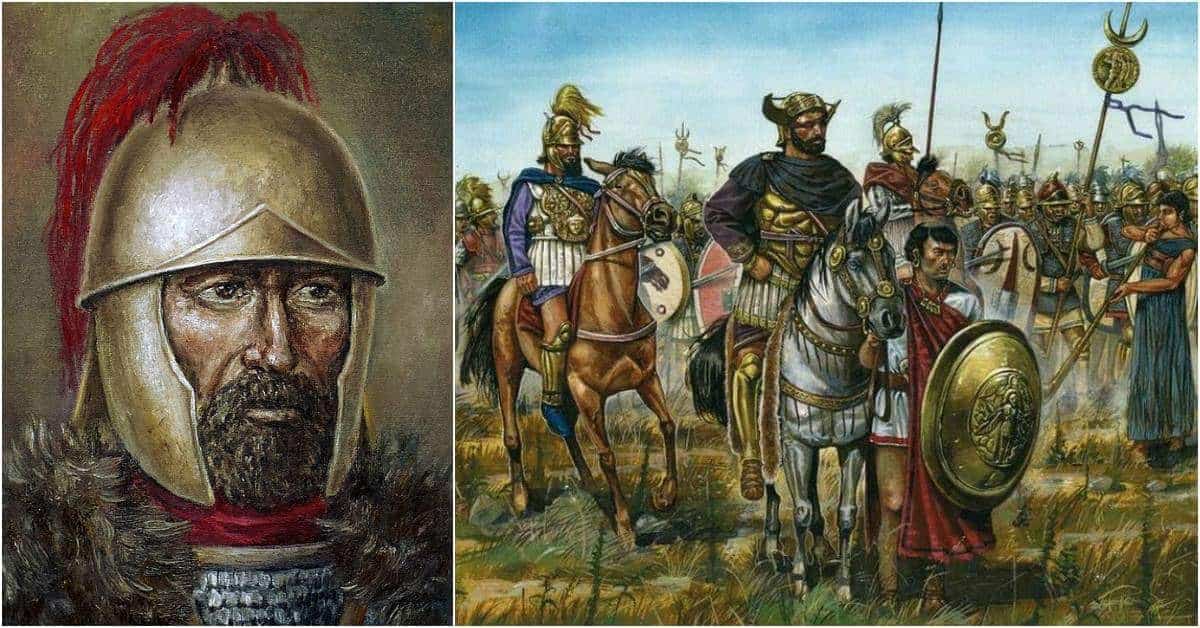

10 – He was an Excellent Statesman & Administrator
While Hannibal is rightly known for his military brilliance, he was also a skilled diplomat and administrator. His father, Hamilcar, was overseas on campaigns during Hannibal’s formative years but it didn’t hinder his education. In fact, it was probably the reason why Hannibal was so well-read. Back in Carthage, he benefited from the tutelage of some of the best scholars Greece had to offer, and he used his extensive education to great effect later in his career.
Defeat at the Battle of Zama in 202 BC was the final conflict of the Second Punic War. Oddly enough, Scipio did not ask for Hannibal’s captivity as a condition of surrender. Perhaps he had too much respect for his fallen foe, or maybe he realized he needed a strong and charismatic presence in Carthage to ensure the conditions of the treaty were fulfilled. Whatever the reason, Hannibal was elected as one of Carthage’s two suffetes in 201, and he spent the next few years trying to rebuild the economy.
He was exceedingly successful in doing so to the point where Carthage was able to prosper and pay the steep Roman reparations. Hannibal also managed to limit the power of the council with annual elections. Previously, council members were able to remain in power for several years in a row and could almost do whatever they liked.
By 196, he had made many enemies in the council, and some members denounced him to Rome as a conspirator with Antiochus III, the Seleucid ruler, despite Scipio trying to help out his old enemy. Instead of hanging around and waiting for the inevitable, Hannibal decided to flee, and he met with Antiochus at Ephesus in 195. The economic revival he sparked ensured Carthage was so wealthy that it could pay its entire war indemnity to Rome all at once by 191. However, Rome declined the offer.


