Back to the front page
American History

History’s Most Catastrophic Man-made Errors

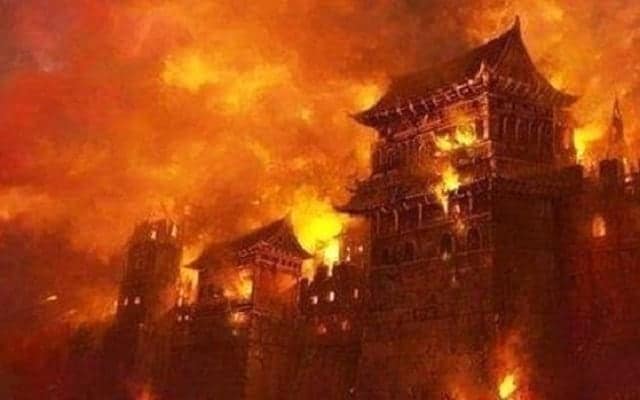
Wanggongchang Explosion - Beijing
The Wanggongchang Explosion devastated Beijing. Pintrest

22. To Feed Industrial Workers in the Cities Cheaply, Soviet Authorities Screwed the Peasants in the Countryside

A crowd waiting for food rations during the Terror Famine. Wikimedia

A key factor leading up to the Terror Famine disaster was the Soviet authorities’ decision to ignore the incentives driving the peasants. Collectivization sought to increase the grain available to feed the steadily growing industrial proletariat population in the cities, and to do so at as low a cost as possible. The low cost to consumers in the cities was only made possible by paying the peasants a state-mandated pittance for their produce, unrelated to its true market price.

The peasants, knowing that would not personally benefit from the increased agricultural output, had little incentive to go along. Many viewed collectivization as a “second serfdom”. Especially since they were forced into the collective farms against their will, and did not have the right to leave and seek employment elsewhere without the authorities’ permission – permission that was often denied.

Written by

A lifelong history buff, I developed a particular passion for WW2 history as a child, when I spent hours listening to my grandfather, enraptured, as he recounted his wartime experiences in the British East African Campaign and with the British 8th Army in North Africa.

I graduated with a history BA from George Mason University, then went on to get a JD from the University of Virginia School of Law. After lawyering for a decade, I moved to sunny Rio de Janeiro and a less demanding career, opening a tourism agency in Copacabana.

A big chunk of my free time is spent blogging (you can follow me on Quora https://www.quora.com/profile/Khalid-Elhassan ) or freelance writing, mostly about my favorite subject, history.

Keep reading

Advertisement