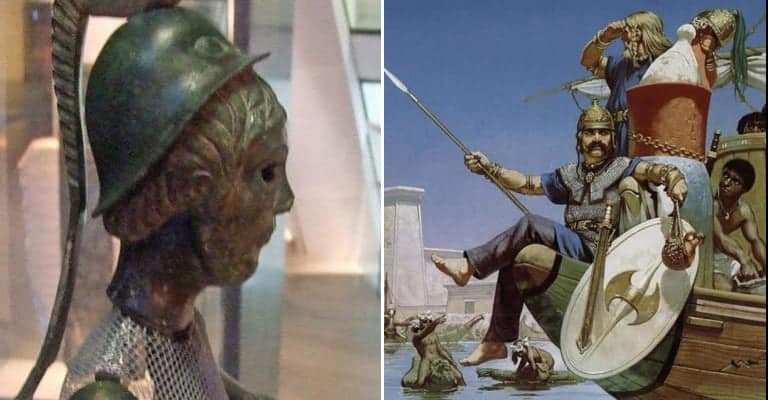
2. Celtic Culture did not arrive fully formed. It evolved.

The Celts, however, did not just “arrive.” Instead, Celtic culture evolved as a result of events that occurred around 1200 BC when established civilizations such as the Mycenaean and Hittite empires began to collapse. This collapse had a significant effect, sparking off a series of mass migrations of people — and knowledge. The Hittites were skilled metal workers — and so, as their empire fragmented, their metallurgical secrets leaked out, gradually making their way into Eastern Europe. As a result of the subsequent advances in existing bronze working, a new, proto-Celtic culture began to emerge in the first and second millennium BC: Urnfield Culture.


