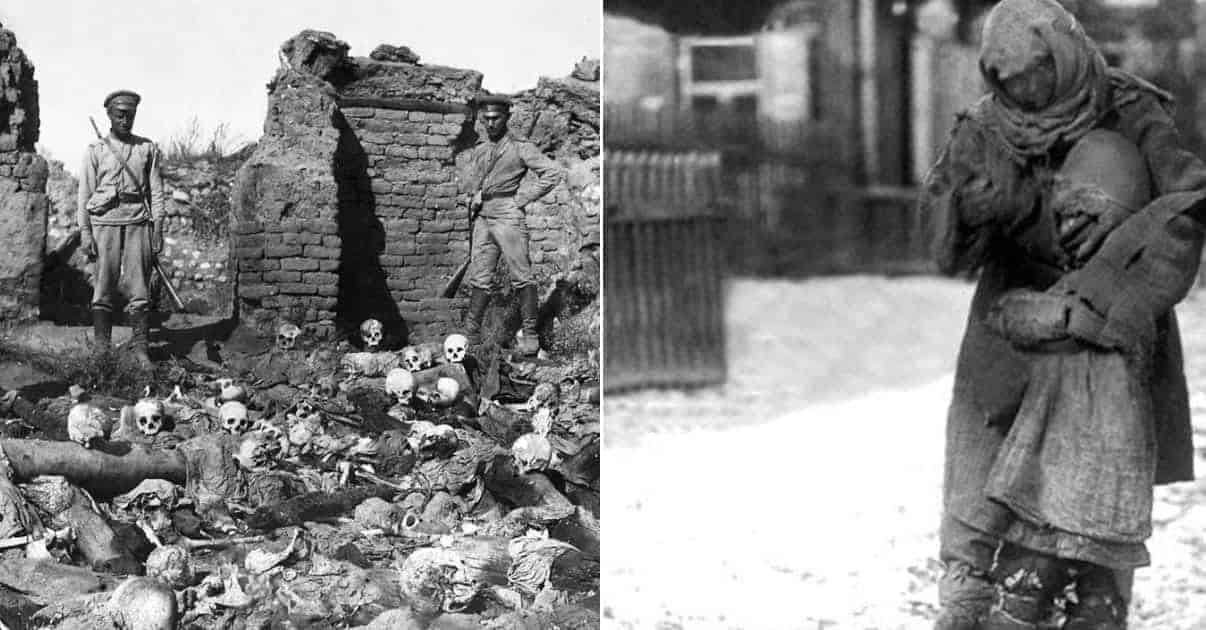

Romani Genocide. Adolf Hitler
The Romani people of Europe were long the subject of prejudice and discrimination against them, not only in Germany but in most European states. Called gypsies in a derogatory manner, Romani people faced local and national laws which restricted their culture and traditions long before the Nazis came to power in Germany. Heinrich Himmler was particularly interested in the Romani people, whom he believed to have been Aryan in origin before becoming diluted by other ethnic bloodlines. He supported for a time the imposition of a policy through which the Romani would be deported to reservations, similar to the policy in effect in the United States towards Native Americans.
Beginning in 1935 gypsies were placed in camps where they were subjected to physical examinations. By 1937 Nazi law referred to the Romani as a separate race. The preceding year the Nuremburg Law was expanded to include Romani, stripping them of their right to vote and of their citizenship.
Discussion of the Romani question ended in 1942 when Himmler ordered that Romani be deported to Auschwitz, Treblinka, and other camps. By November 1943 Romani people were placed in the same category as Jews, and besides being marked for deportation to the camps, were frequently killed where encountered by German einsatzgruppen.
Some countries under German occupation co-operated with the Nazis by rounding up Romani people and delivering them to the Germans. France delivered over 6,000 Romani to Nazi officials for deportation, other countries, mostly in the Caucasus, provided varying levels of shelter to them. At Auschwitz and other camps, organized resistance to the Nazis was attempted, and in some cases successful in delaying or preventing execution in the gas chambers.
An exact number of Romani victims is nearly impossible to calculate due to the aggressive manner in which several puppet states persecuted them. The number executed by the Germans in death camps is only a starting point. Some estimates by scholars are around 250,000 while others run closer to 800,000, and even as high as 1 million. Germany paid reparations to Jewish survivors of the Holocaust but not to Romani who escaped execution at the hands of the Germans or their allies. West Germany finally acknowledged the persecution of the Romani as genocide in 1982 and in 2007 Romanian President Traian Basescu apologized for the role played by Romania in the attempted extermination of the Romani people, speaking for a portion of his statement in the Romani language.


