Back to the front page
American History

40 Facts About the Japanese Who Refused to Surrender After WWII Had Ended

Hiroo Onoda - Ishinosuke Uwano
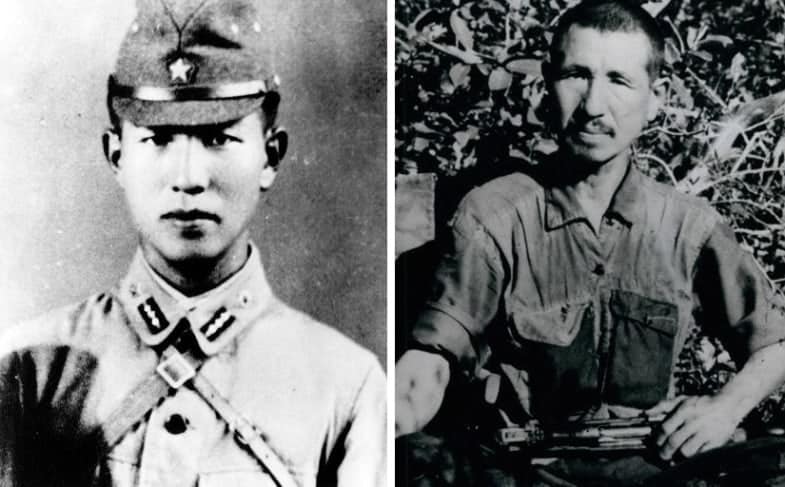
Hiroo Onoda, a Japanese soldier who kept fighting for nearly three decades after WWII had ended. Observer
Advertisement

Japanese soldier operating a radio in WWII. Pinterest

38. Many Japanese Personnel Were Cut Off From Effective Communications

Simply maintaining communications across the vastness of the Japanese conquests was a herculean task at the best of times, and in the most ideal of conditions. By the time WWII drew to an end, it was not the best of time for Japan, nor were conditions for communicating with her forces anywhere close to ideal. The US Navy had sent most Japanese shipping to the bottom of the sea, cutting off Japanese garrisons from physical contact with the home islands, and Allied airmen had bombed much of Japan’s communications network to ruins.

Written by

A lifelong history buff, I developed a particular passion for WW2 history as a child, when I spent hours listening to my grandfather, enraptured, as he recounted his wartime experiences in the British East African Campaign and with the British 8th Army in North Africa.

I graduated with a history BA from George Mason University, then went on to get a JD from the University of Virginia School of Law. After lawyering for a decade, I moved to sunny Rio de Janeiro and a less demanding career, opening a tourism agency in Copacabana.

A big chunk of my free time is spent blogging (you can follow me on Quora https://www.quora.com/profile/Khalid-Elhassan ) or freelance writing, mostly about my favorite subject, history.

Advertisement

Keep reading